
Eco Farming ? How do they manage to do it with no pesticides. Kyushu Single Estate: Award Winning ECO-Farm Land. Interview of the family farm owner:
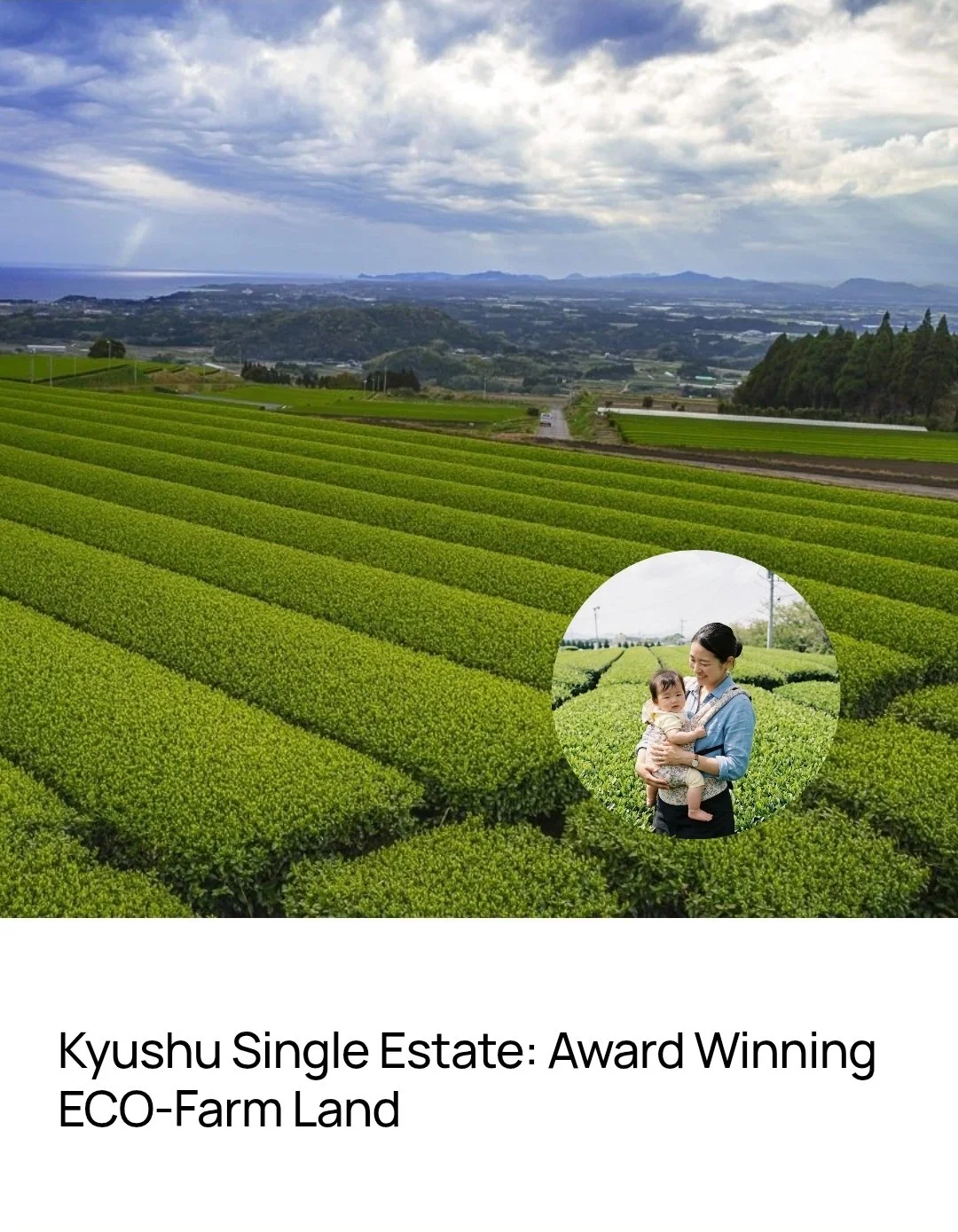
Kyushu Single Estate: Award Winning ECO-Farm Land
Interviewing the family farm owner:
100% Organic & Family-Grown! 🌿 Our tea fields are so pure and safe, the farmers even bring their baby 👶 to work 🚜. Grown in volcanic soil with natural fertilizers, this Eco-Farm relies on cute birds 🐦 to catch bugs 🐛 instead of using harsh pesticides. A beautiful, natural eco-cycle for the perfect cup of tea!
On a 40-hectare estate, the family cultivates tea without a single drop of chemical fertilizer or pesticide. Instead, they harness the blessings of nature alongside a thriving local ecosystem.
"The most important thing in organic farming is soil preparation," the owner explains. "We produce our own soil and EM bokashi for use on our farms."
“To build strong, disease-resistant soil, the farmers blend local by-products such as rice hulls, rice bran, oil cake, fish meal, and bonito broth with EM bacteria, meticulously adjusting the moisture content. After fermenting for six months to a year, this nutrient-dense mixture is spread over the tea fields. This process cultivates healthy soil bacteria, supporting a rich network of earthworms and insects. Wildflowers are encouraged to bloom around the fields, creating a natural habitat where ladybugs and praying mantises thrive by feeding on pests that would otherwise harm the tea plants.” the owner explains what is EM bakashi.
