The Craft Behind the Finest Pastry: Why Quality Attracts Quality
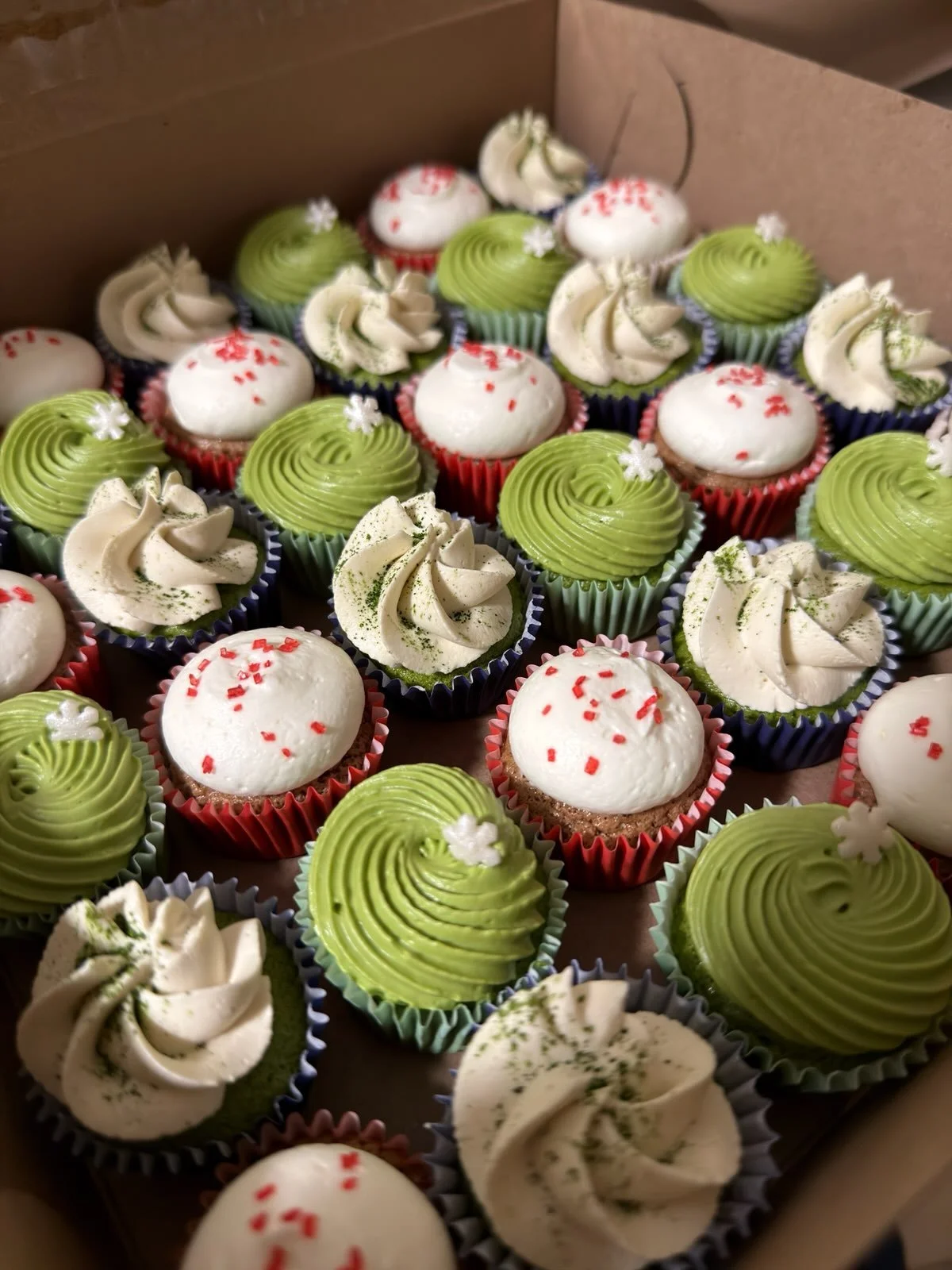
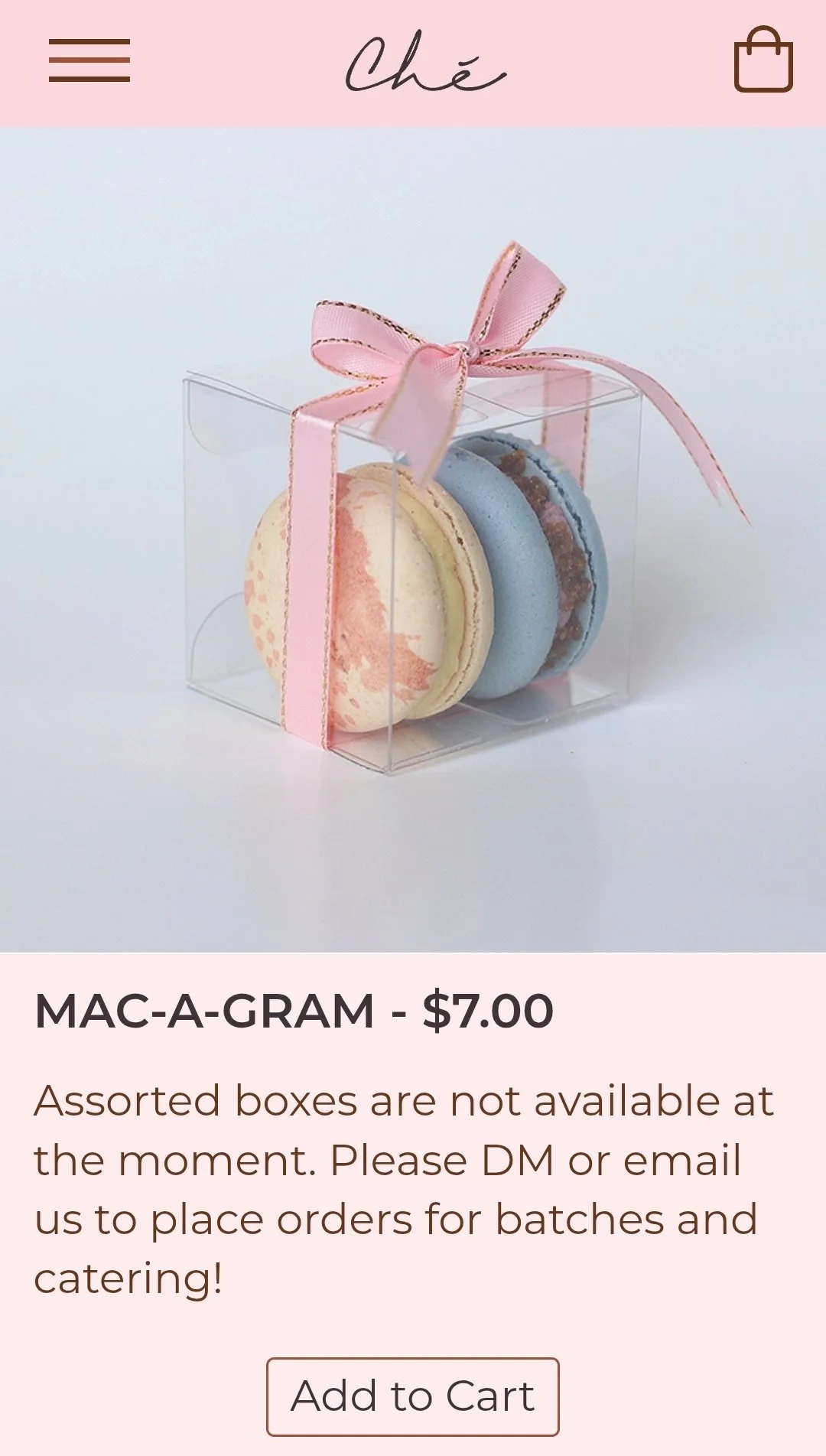
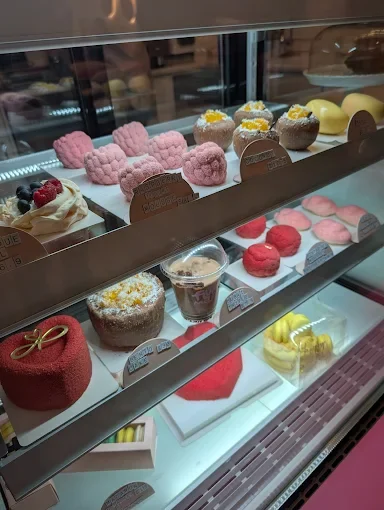
So happy to meet Cheyenne, the head chef of Che Macarons 😋, a wedding and party cakes specialist in Toronto. The best thing about the wholesale matcha business? Getting to work with the city’s top culinary talent. Every chef and owner who chooses us as their matcha partner shares the same core value: a relentless commitment to quality. #chef #macarons #cakes #matcha #quality 🤩
Thank you for introducing our matcha to your customers
Dear Cafe Kenkaku,
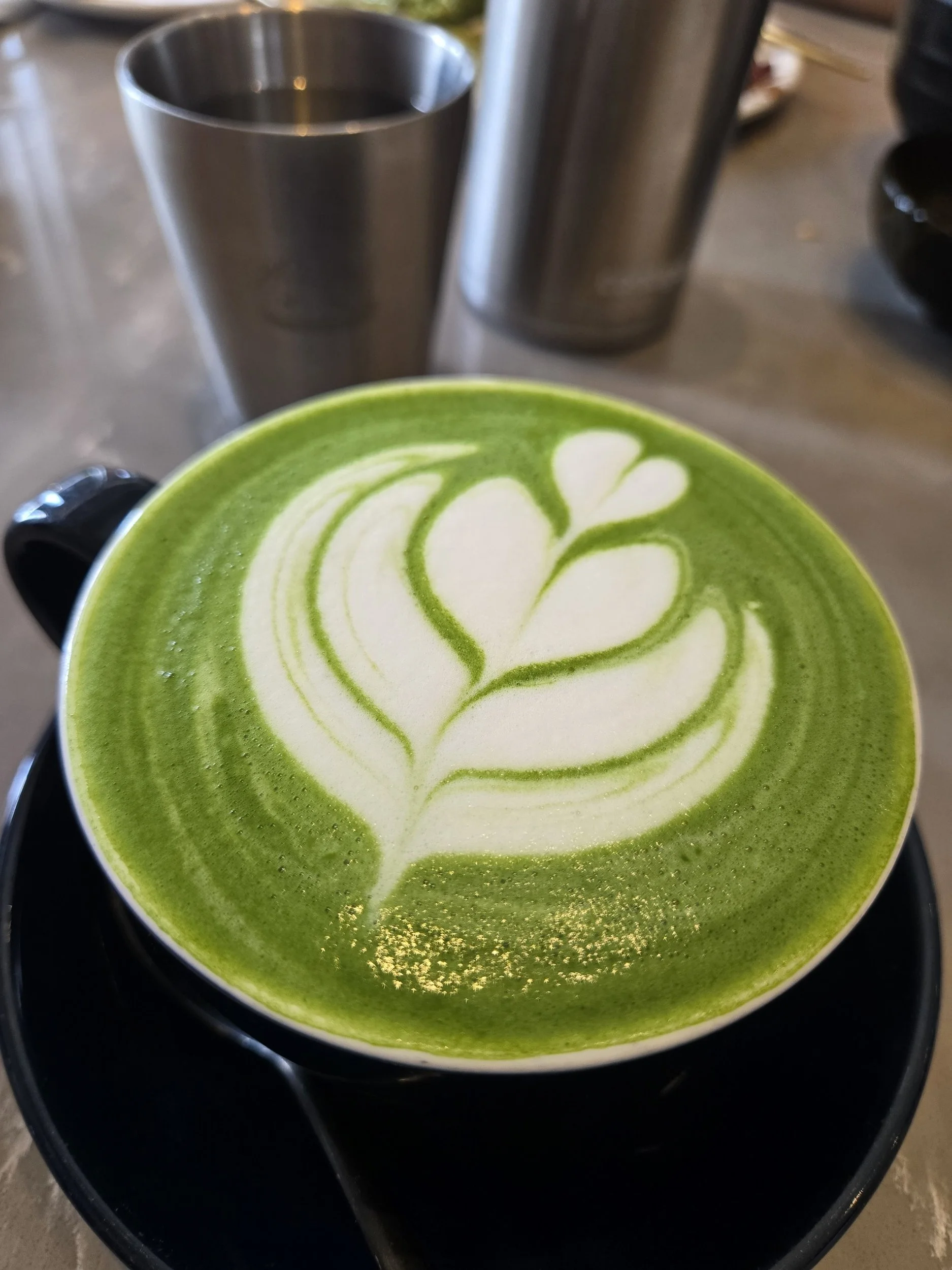
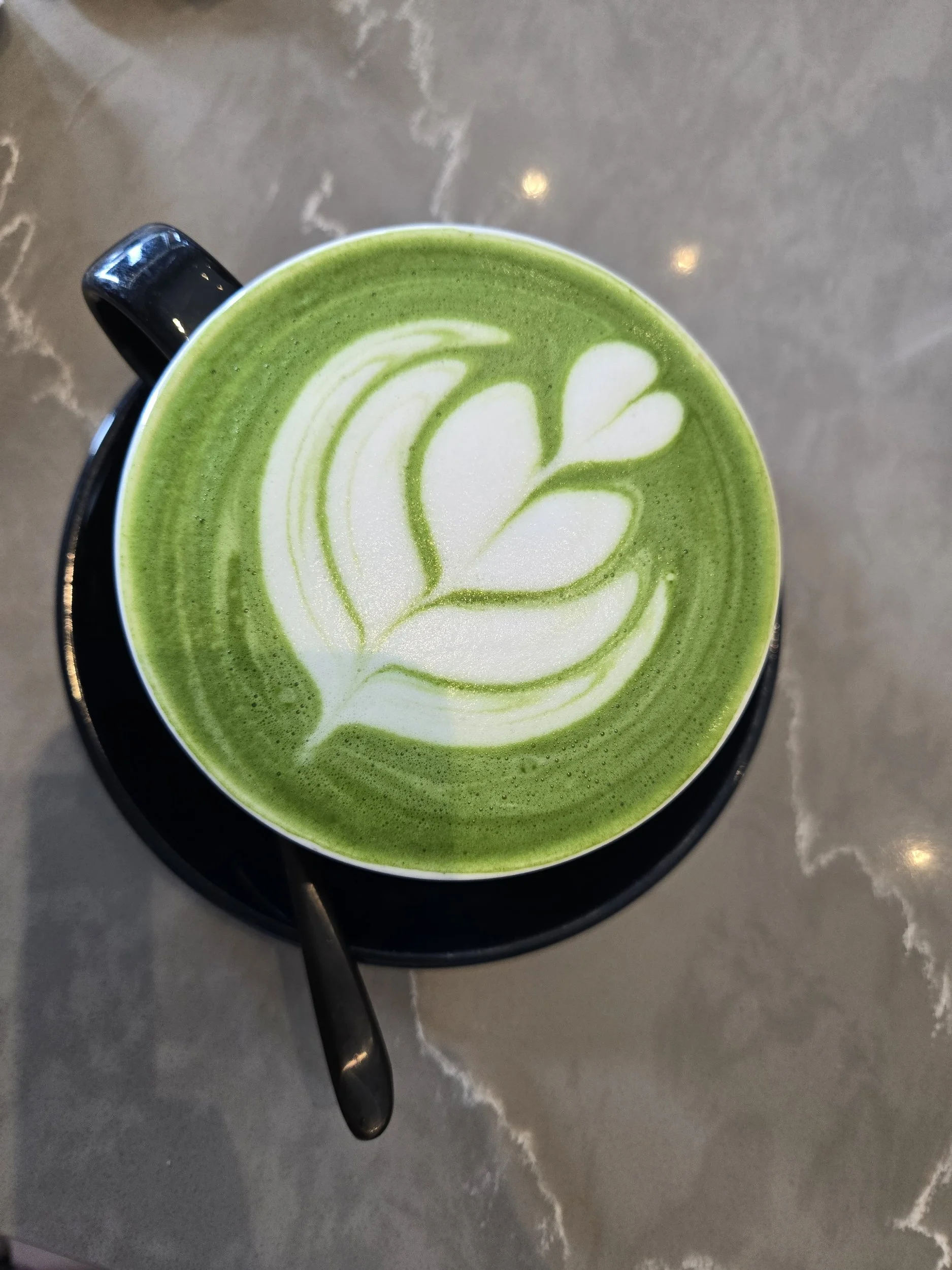
Thank you for choosing us. We are so grateful for your business and for introducing our Ceremonial Uji Matcha to your customers! The latte art you created is so beautiful!
We love our tea and our work with passion.
Cafe Kenkaku address:
1070 Major Mackenzie Dr E F108, Richmond Hill, ON L4S 1P3
#True #matcha #colour without filters.
Team MyVibrantLeaf
Uji Ceremonial Matcha for Le Cordon Bleu Chef's Choice
The chef from Cafe has very high standards for the ingredients that they use. Appreciate and respect.
Thank you for choosing us to be part of your matcha menu.
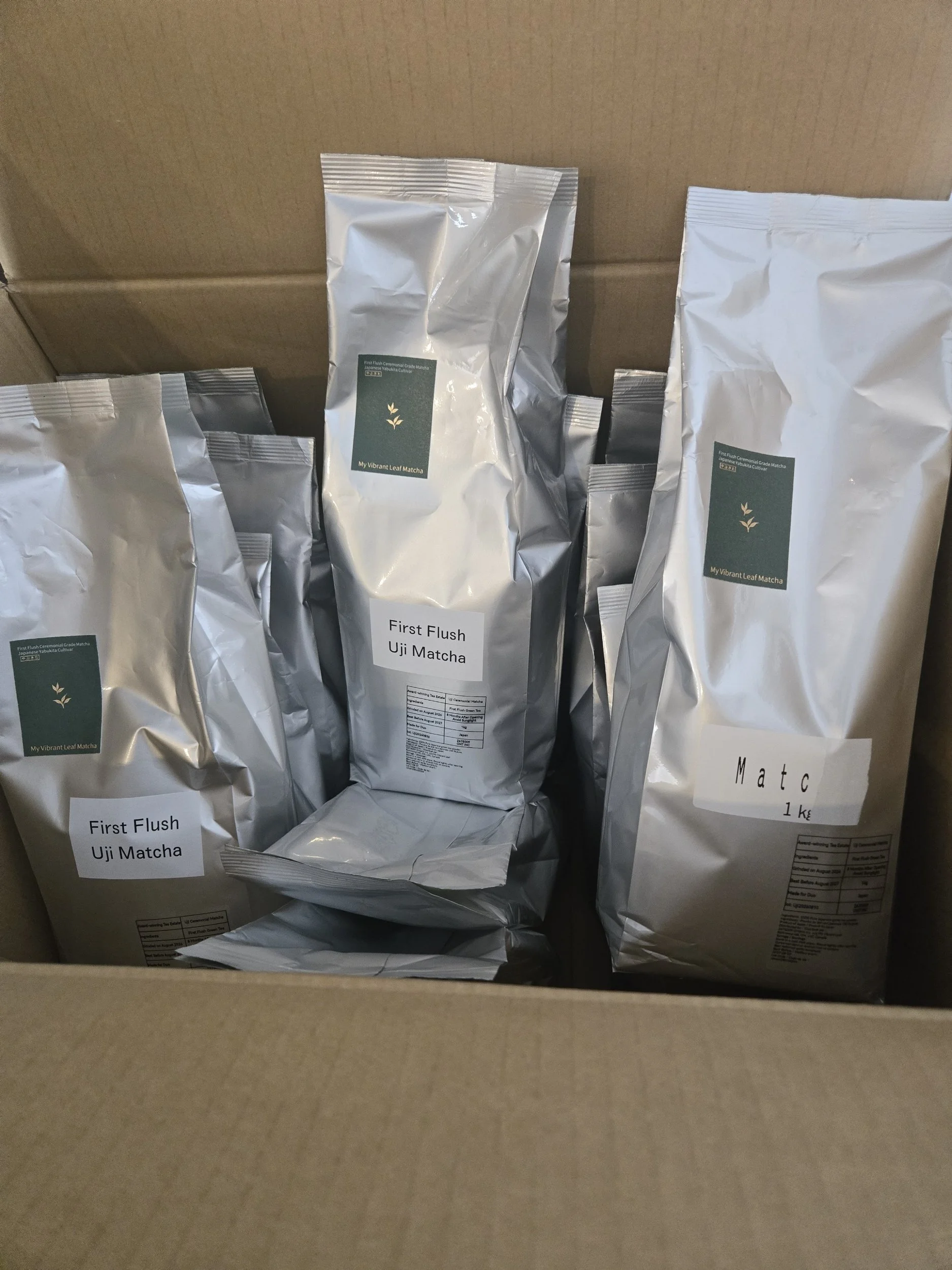
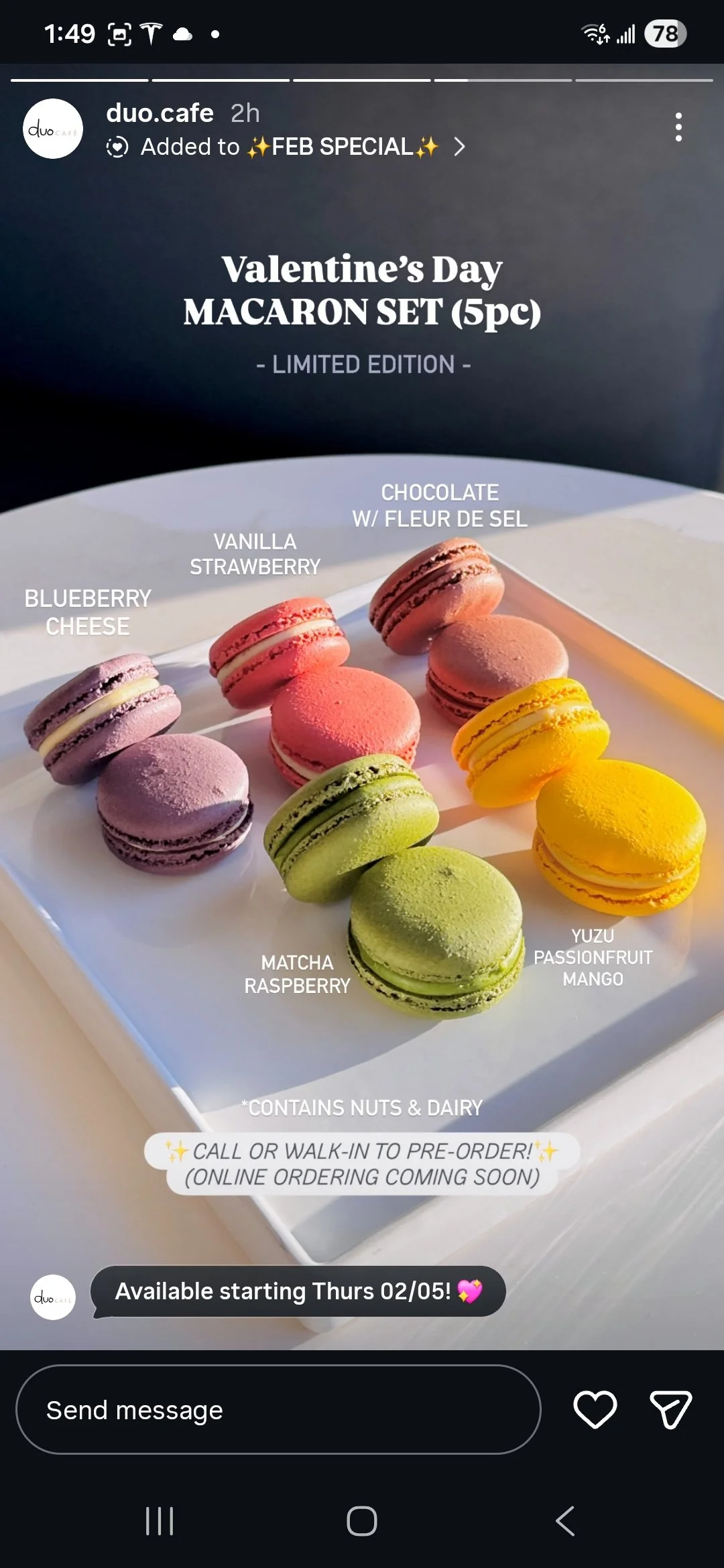
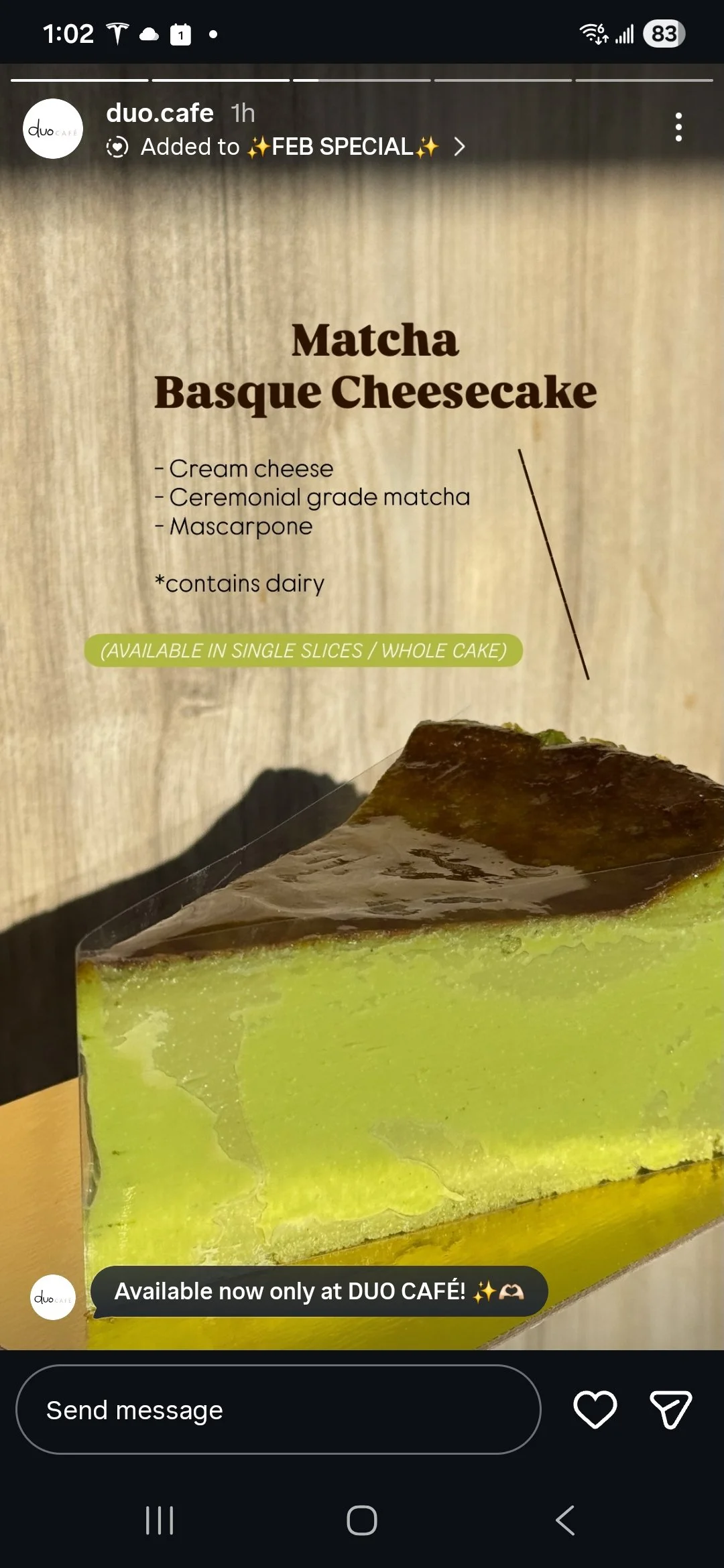
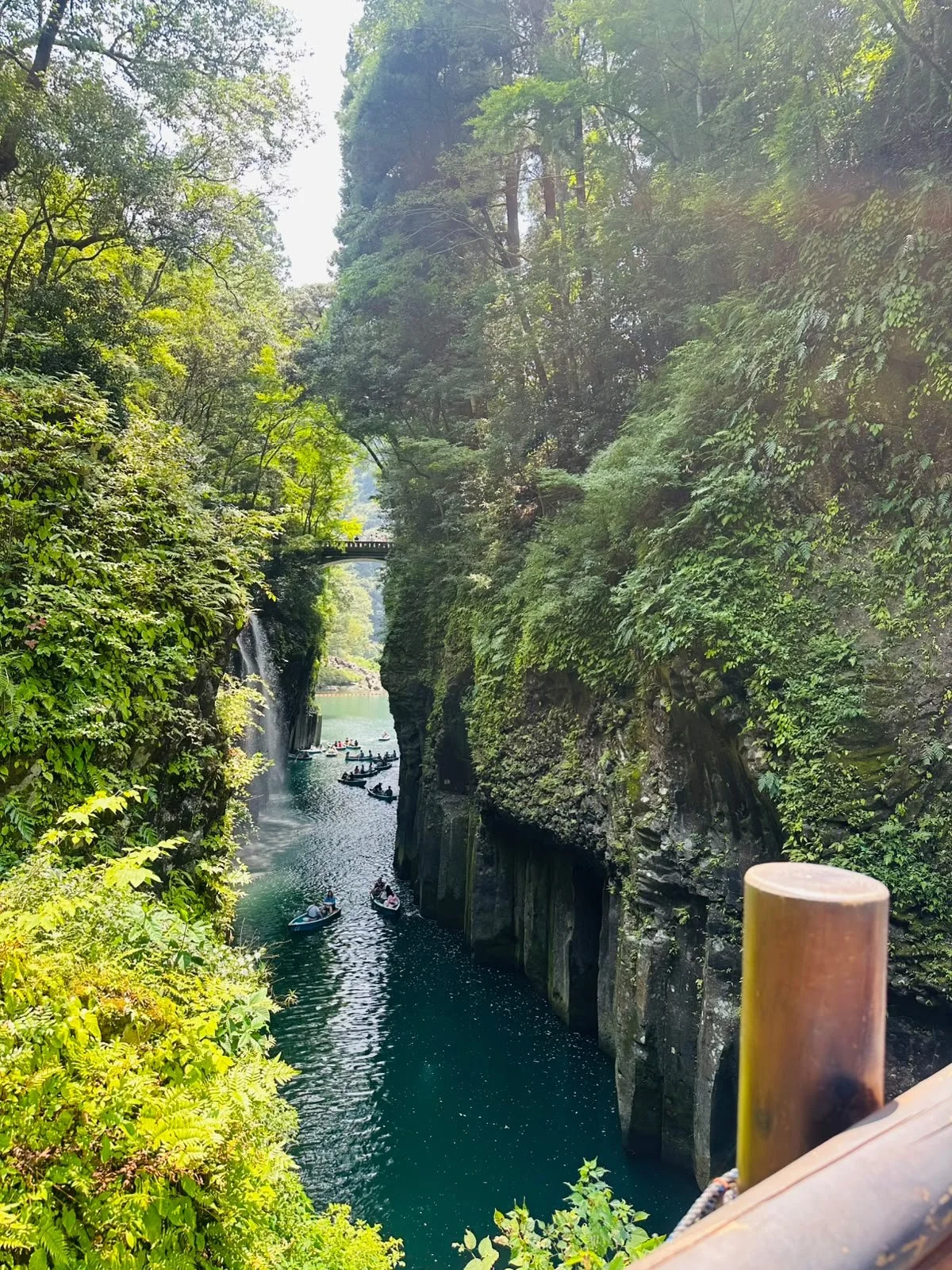
Where the japanese tea farmer goes during Japan summer break travel
For summer break, the farm closed for a week. Our farm friends are in Miyazaki. They shared a beautiful video with us!
We wish them a joyful summer break!
Since their farm area just had a 7.1 earthquake, we wish them safety and pray for them.
Japanese tea , japanese matcha
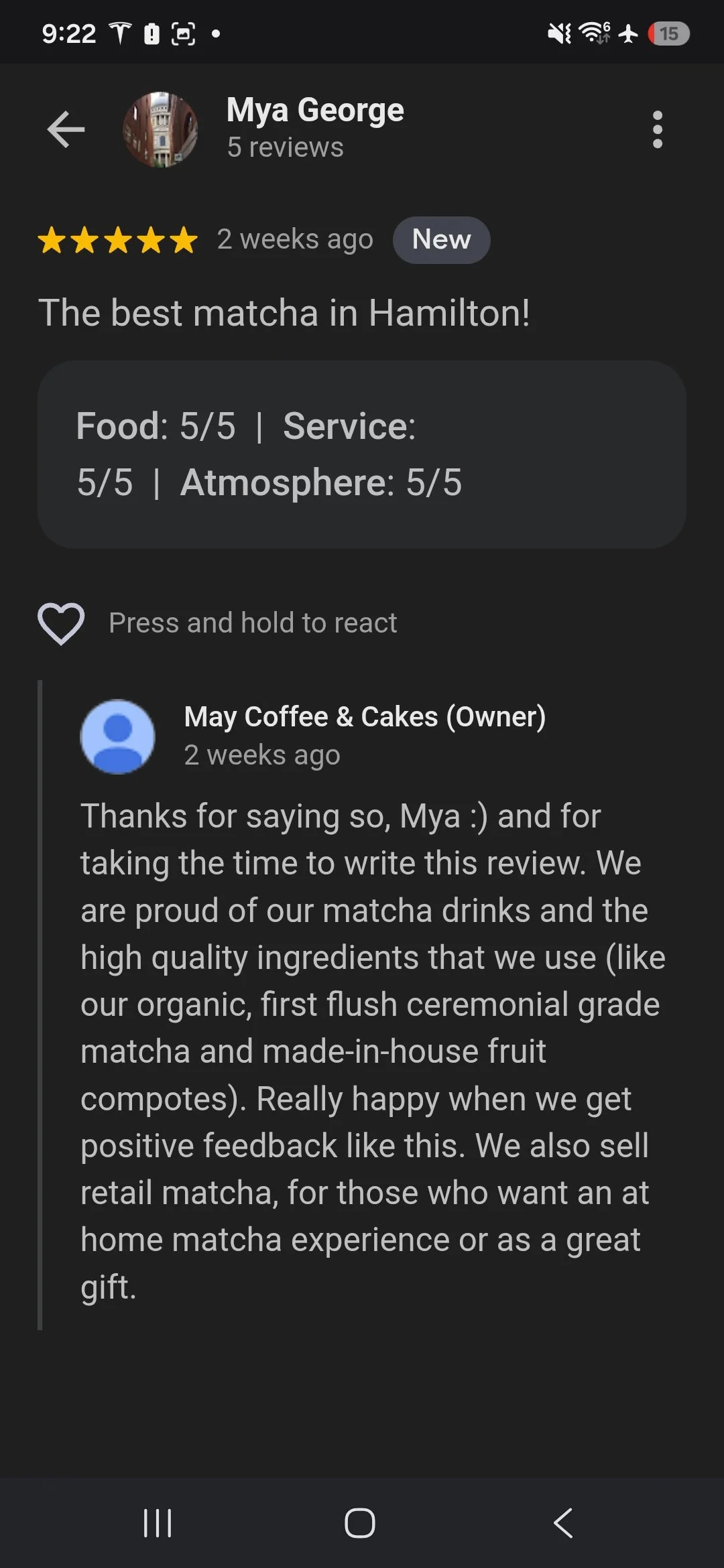
Client's customer positive google reviews
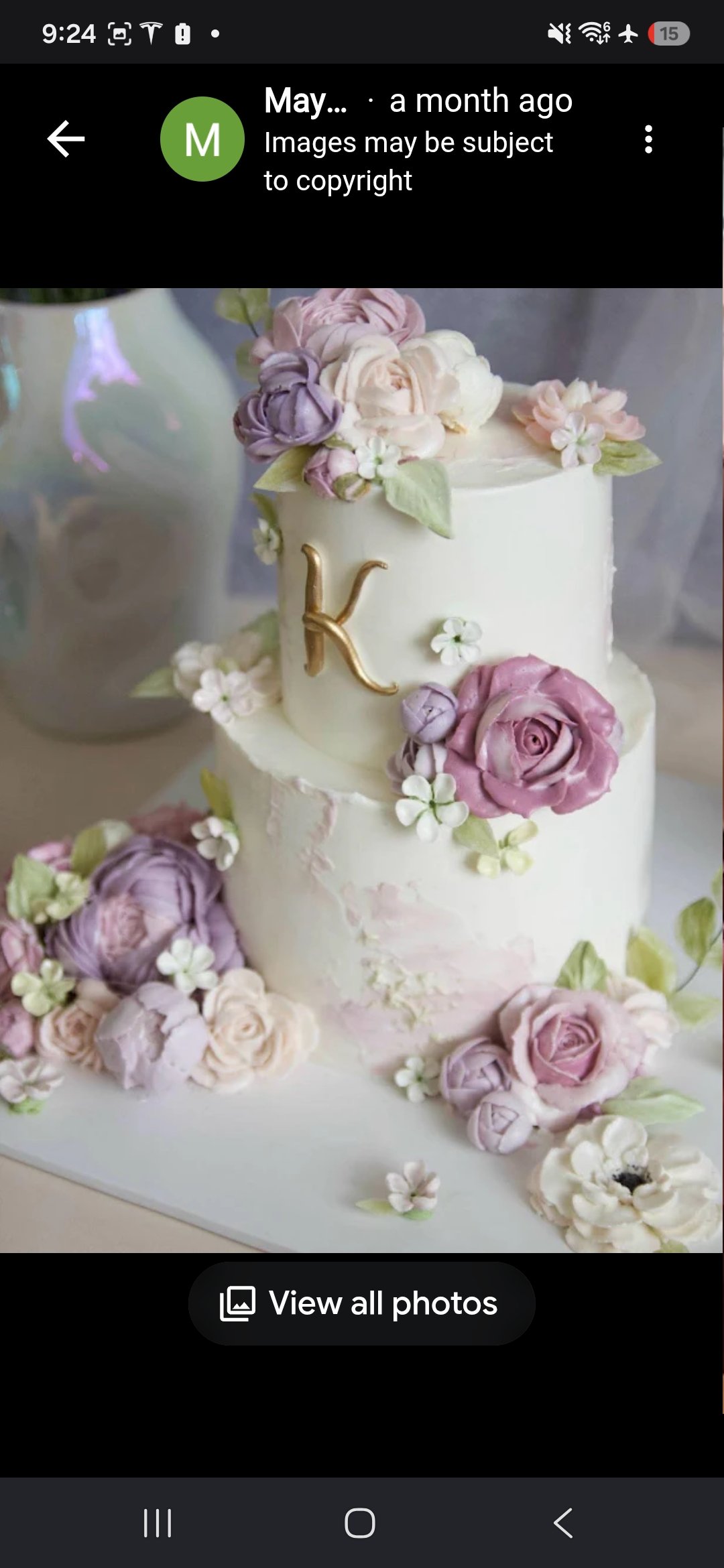
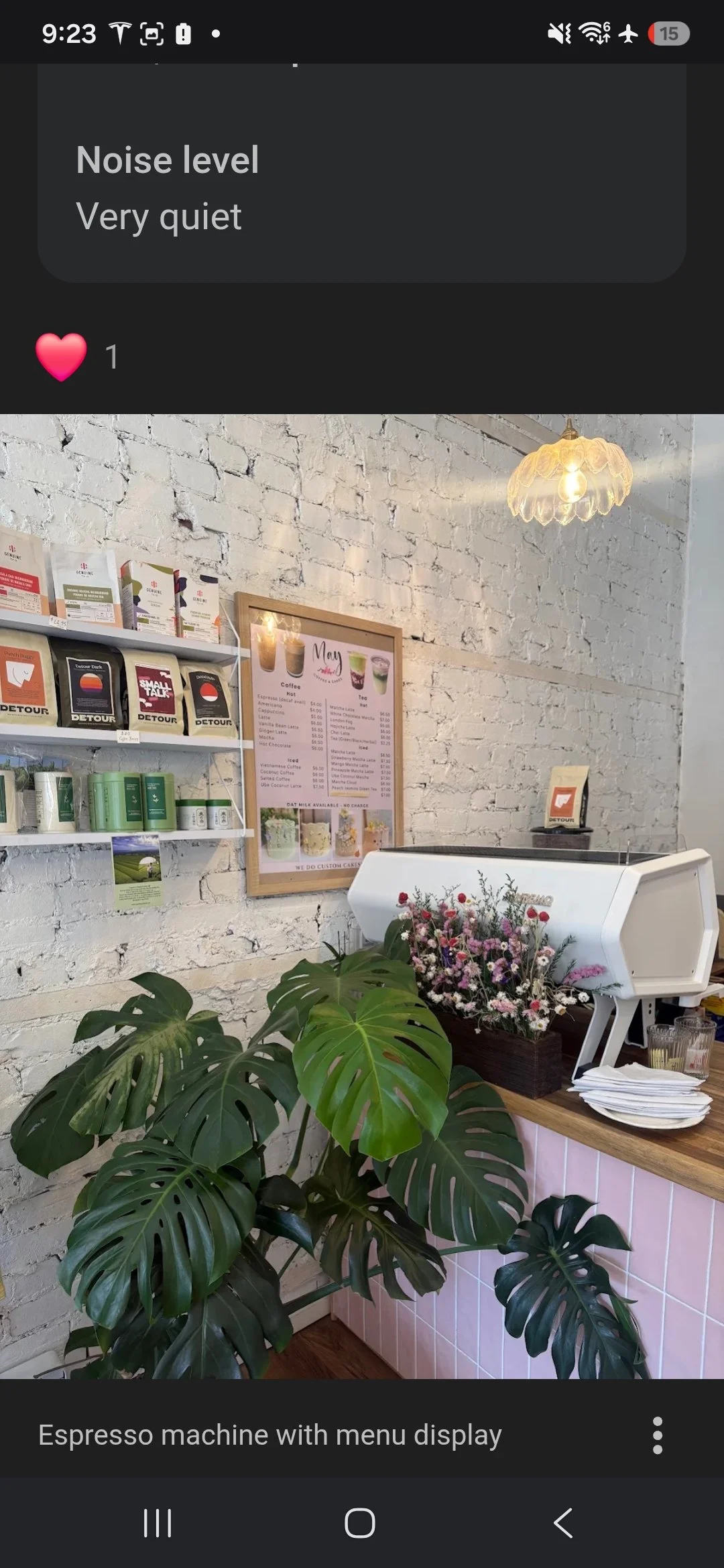
Aw. We are so glad to see 5-star Google reviews on our client's cafe page! 5-star matcha reviews. Thank you for your kind support.
THANK YOU May Coffee & Cakes!
May Coffee & Cakes https://share.google/OUPCH3JkAyoRNA6Qu
334 James St N, Hamilton, ON L8L 1H2
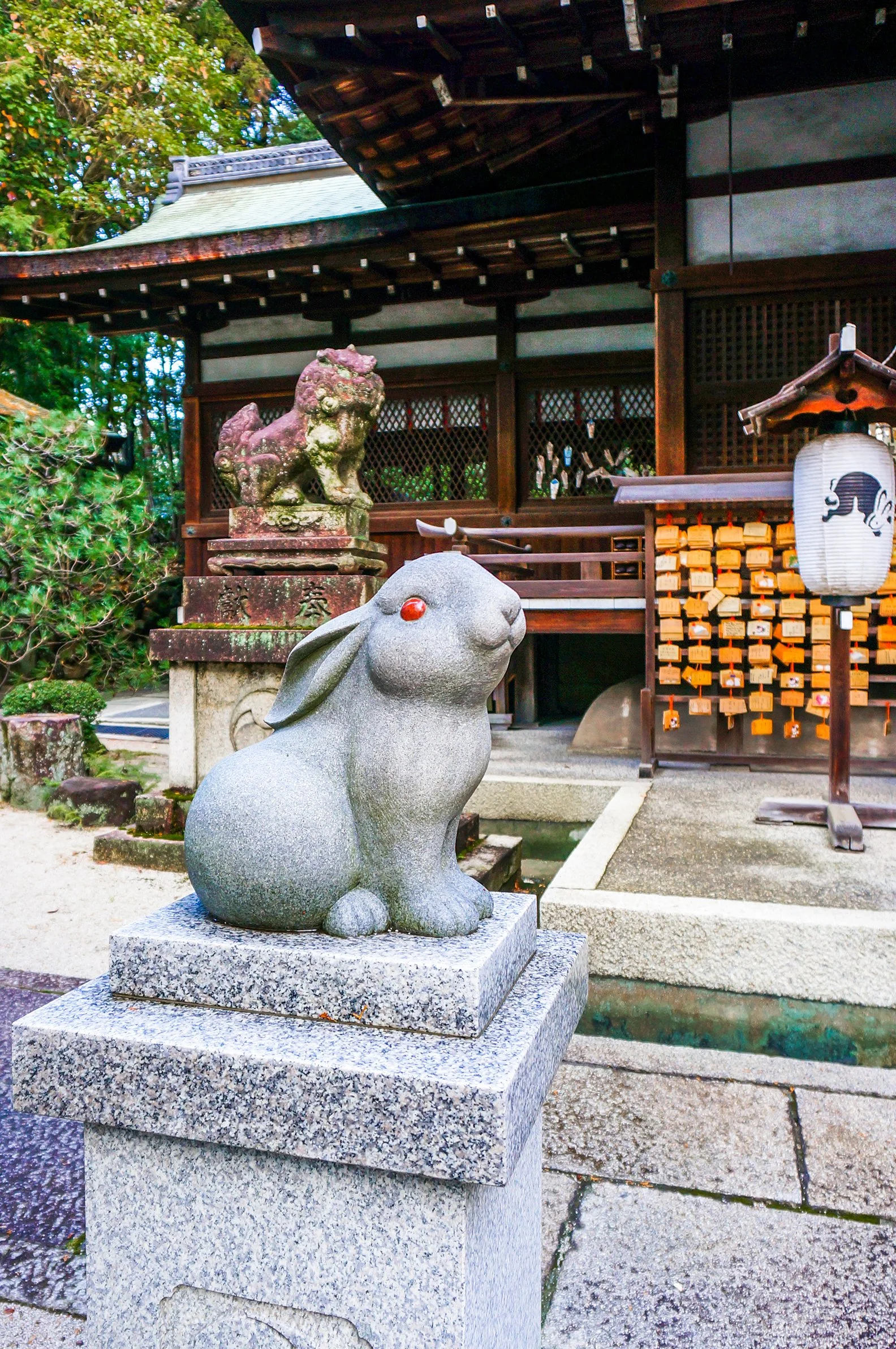
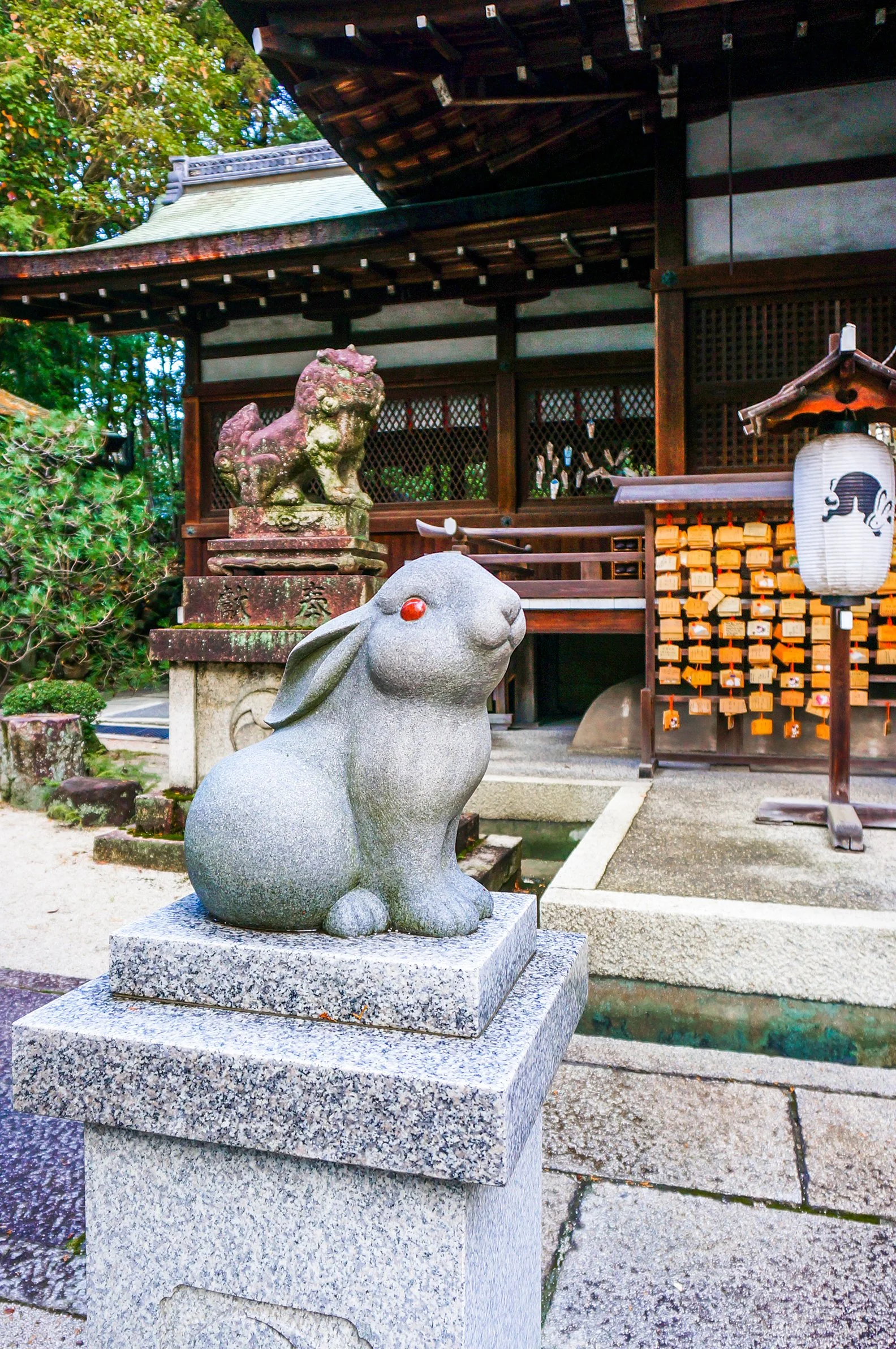
Uji Town of the Rabbit: 2026 June arrival: Uji Ceremonial Grade
Historically written as “Rabbit Path” (pronounced Uji), Uji’s name stems from the legend of a divine rabbit who guided a lost prince. Today, this "looking-back rabbit" protects local shrines and frequently graces premium Uji tea packaging, beautifully linking the region's ancient spiritual lore with its world-class green tea heritage.
Visit our Uji matcha collection:
https://www.myvibrantleaf.com/shop-jMCLz/p/1st-flush-ceremonial-grade-latte-matcha-sample-size-only-15g
#bestjapanesematcha #bestteatoronto #torontotea #torontomatchawholesale #torontomatcha
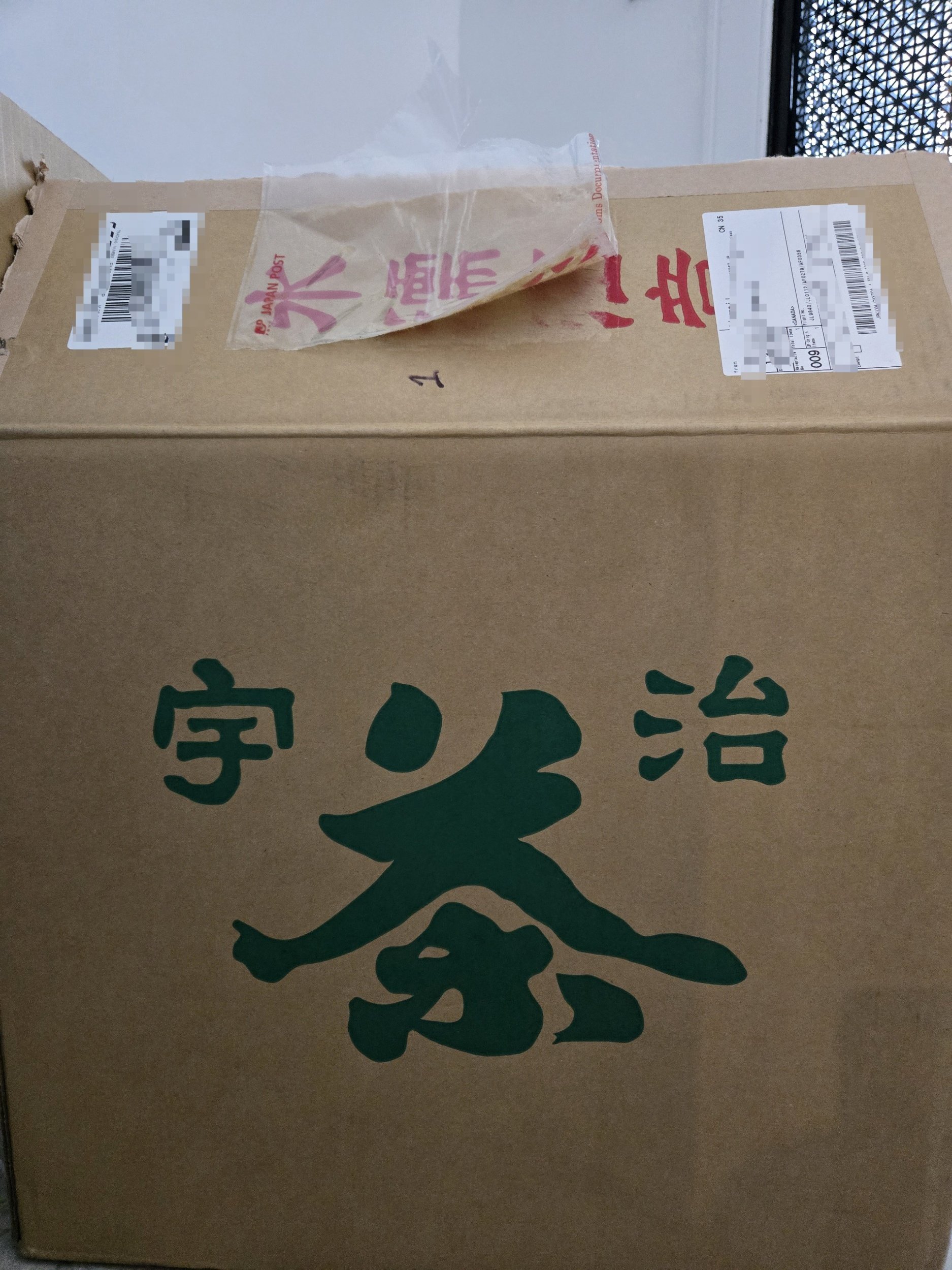
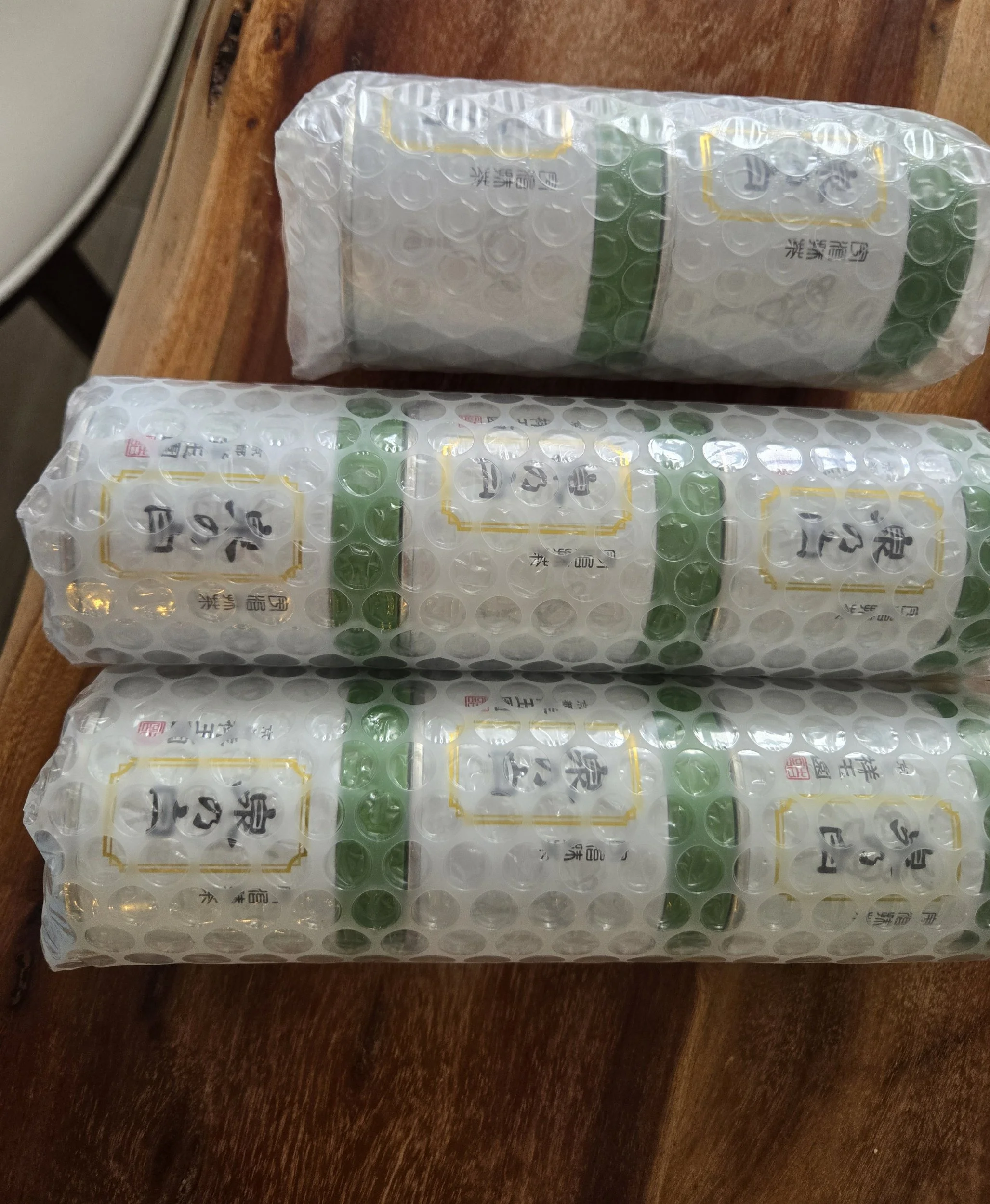
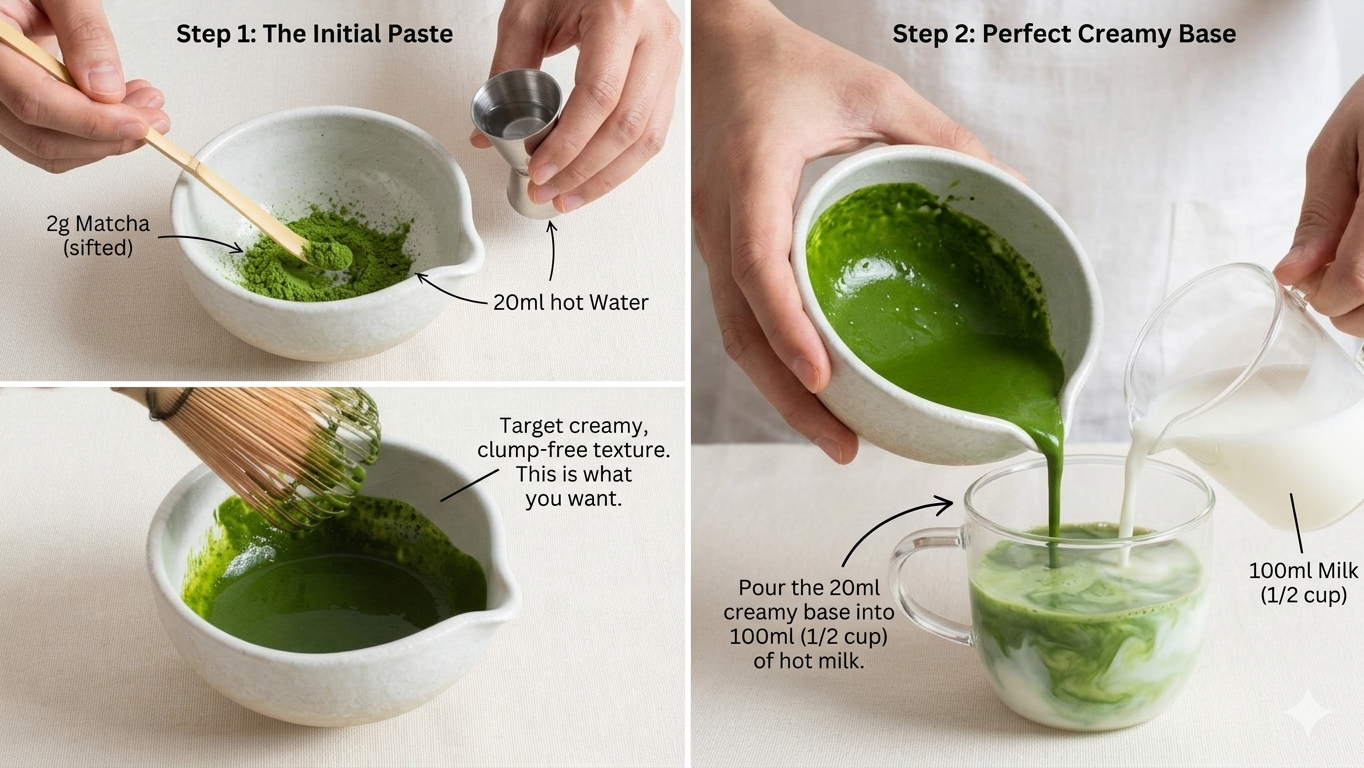
Matcha Latte Golden Ratio
Half cup: 100ml
2g of matcha (1 tea spoon)
20g of water
100 ml of milk (half a cup)
Full cup: 200ml
4g matcha (2 tea spoon)
30ml water
200ml of milk or soy
Behind the Five Star Review Business: Partnering with the Passionate Founders of Fluff Me Up
As the owner of a matcha business, nothing makes me happier than seeing our customers love our products—especially cafe owners who are genuine experts in the food industry.
From our versatile cafe-grade options to our top-tier ceremonial grade matcha, we truly put our hearts into everything we do. We maintain constant, close communication with our partner farms in Japan, working tirelessly to fine-tune our flavor profiles so they perfectly suit the unique needs of our clients.

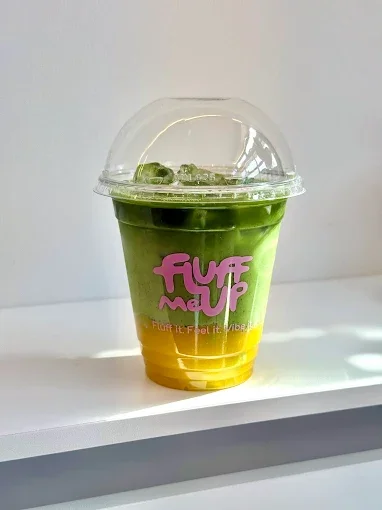
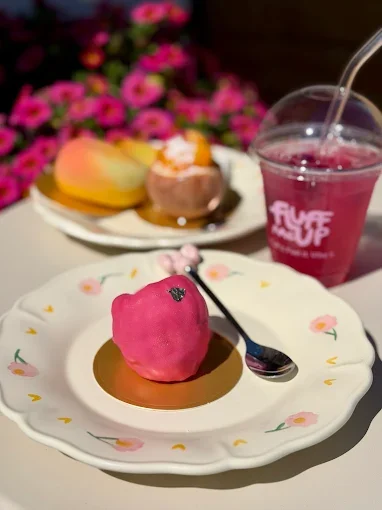
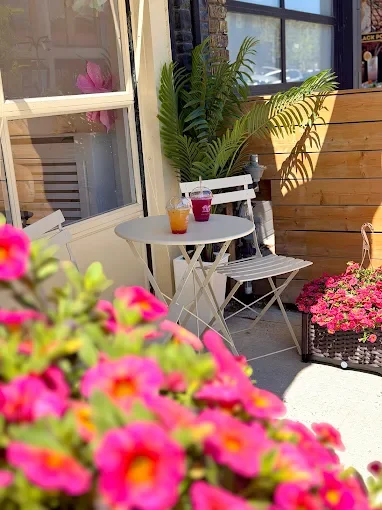
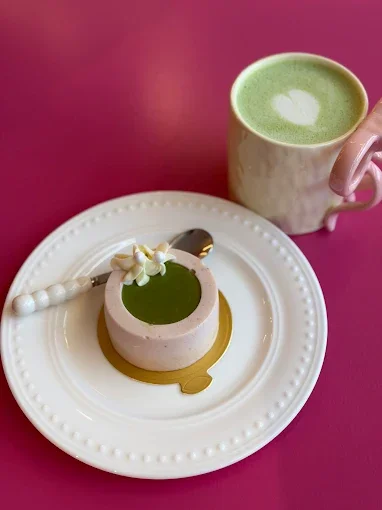
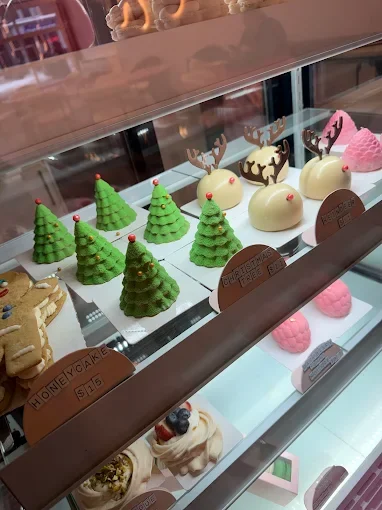
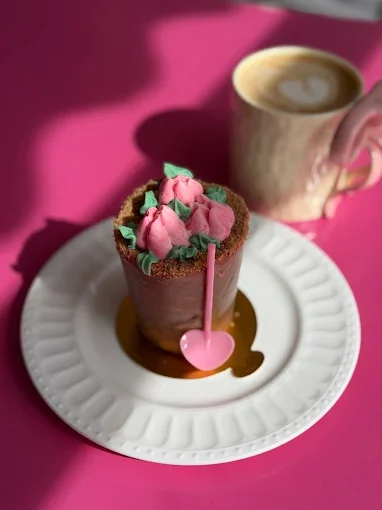
A First Meeting in Our Office
Recently, I had the pleasure of meeting Lilia, the co-owner of Fluff Me Up, right here in our office when she came by to pick up her ceremonial Uji matcha. It was our very first time meeting in person!
Her shop puts an incredible amount of effort into crafting their matcha drinks and desserts. As anyone in the industry knows, it is usually very expensive for a cafe to use premium ceremonial grade matcha for everyday beverages. However, the team at Fluff Up is incredibly generous with their quality; they refuse to cut corners because they want the absolute best for their guests.
I still remember Lilia's very first email to us. It simply read: "I heard matcha is good." During her visit, we ended up chatting and sharing matcha drink recipes. She has always been so polite and responsive whenever we connect over email or text, and it was wonderful to finally put a face to the name.
Supporting Women Entrepreneurs
I want to wish the absolute best to the two amazing women entrepreneurs behind Fluff Up. Building a business takes immense dedication, and they are doing a beautiful job. We are so incredibly proud and grateful to be a part of your menu!
Fluff Me Up
Address: 800 Danforth Ave, Toronto, ON M4J 1L6
Phone: (416) 465-1188
Why My Vibrant Leaf is the Ultimate Ceremonial Matcha for Cafes & Lattes
Why My Vibrant Leaf is the Ultimate Ceremonial Matcha for Cafes & Lattes
My Vibrant Leaf gives your beverage program the exact competitive edge it needs to stand out and dominate your local market.
Here is exactly why partnering with us will elevate your business:
100% Authentic, Certified Japanese Uji Matcha
We source directly from the historic Uji region in Kyoto, Japan—the undisputed birthplace of premium tea culture. This is certified, authentic ceremonial-grade tea, grown and harvested using traditional shade-cloth methods to maximize chlorophyll and amino acids.
Direct from Award Winning Farms, Ground Every Month
Unlike massive corporate brands whose matcha sits in shipping containers and warehouses for up to a year losing its flavor and oxidising, we skip the middlemen. We work directly with our partner farms, and our tea is freshly ground every single month. Your customers will instantly taste the crisp, vibrant freshness difference.
Striking Vibrant Green & Deep Umami (The "Hook" Effect)
Because our leaves are perfectly shade-grown and freshly processed, our powder boasts an electric, vivid green hue that makes lattes pop visually on Instagram and TikTok. Taste-wise, it delivers a creamy, full-bodied texture with a strong, savory umami note and zero harsh bitterness. Once a customer tries a latte made with My Vibrant Leaf, they get completely attached to it—other brands simply won't taste good to them anymore, ensuring they keep coming back to your counter day after day.
*The Absolute Best Pricing in the USA & Canada*
Premium quality usually comes with a restrictive price tag that hurts cafe margins. We break that barrier by offering the most competitive, direct wholesale pricing for true, authentic ceremonial-grade matcha in the United States and North America. You get an elite-tier product while maintaining excellent profit margins on every single cup you pour.
Proven Success Across Top-Tier Cafes
You don't have to take our word for it—our quality is already trusted and proven on the bar floors of many busy specialty cafes. Baristas love it because it whisks smoothly with zero clumping, and shop owners love it because it drives unparalleled repeat business from loyal matcha drinkers.
When you switch to My Vibrant Leaf, you aren't just adding a green drink to your menu—you are establishing your shop as the outstanding, go-to destination for the best matcha latte in town.

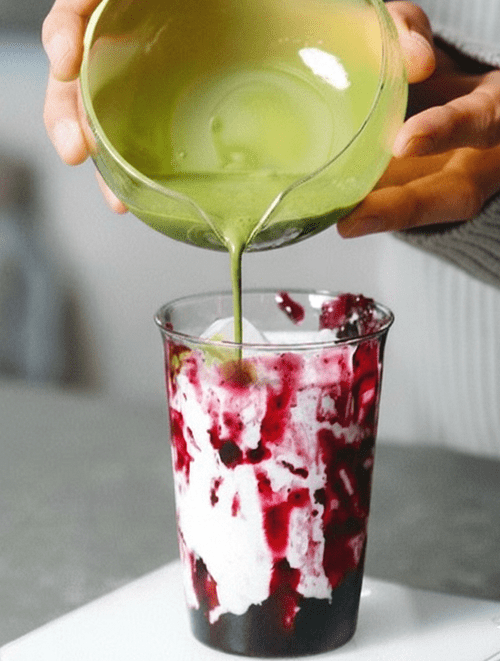
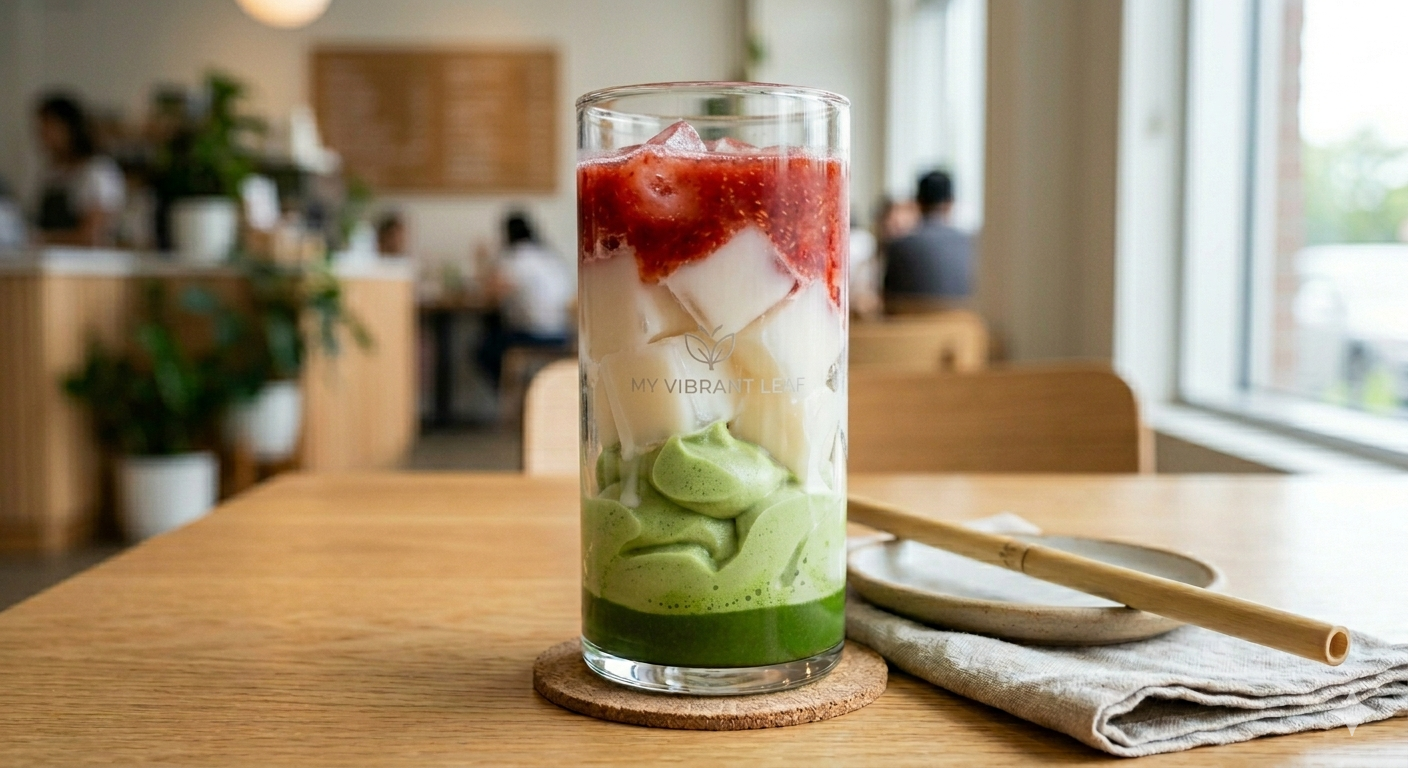
Reverse Matcha Drink
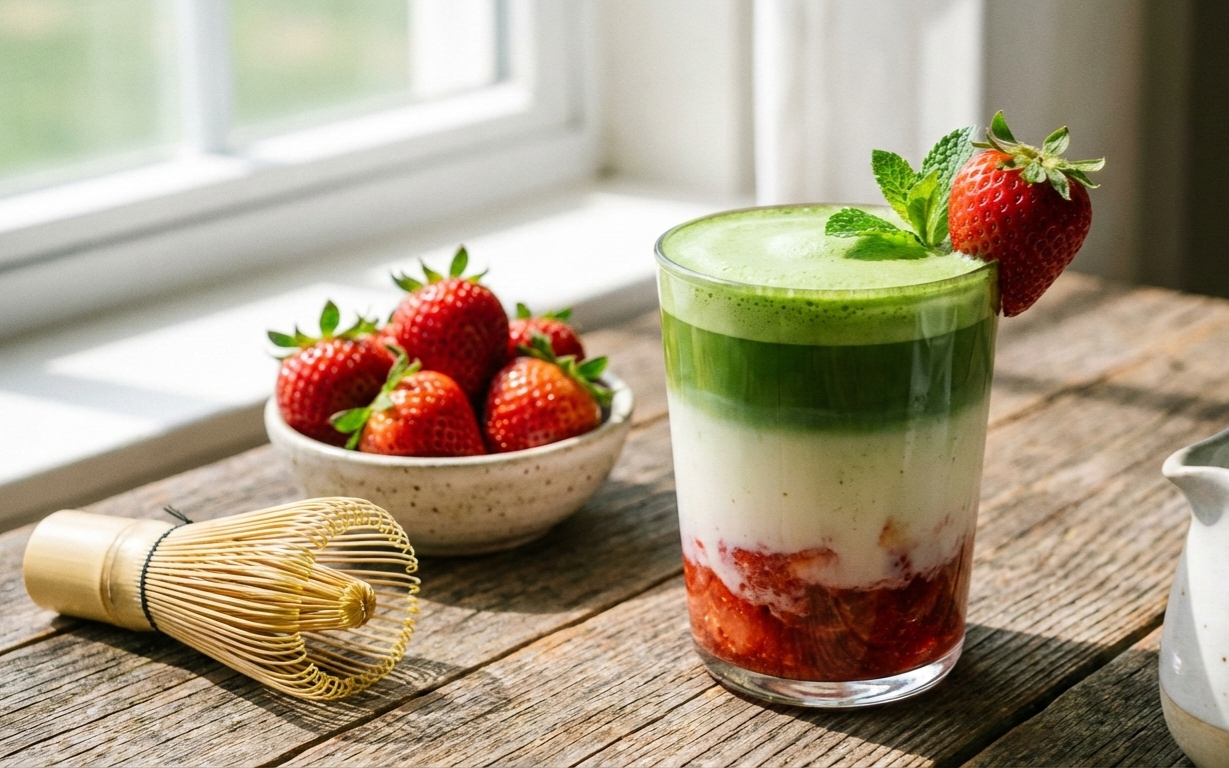
If we put the matcha at the bottom first, customers will be able to taste the true matcha umami with the first sip. Then they can taste other layers.
Ai photo example:
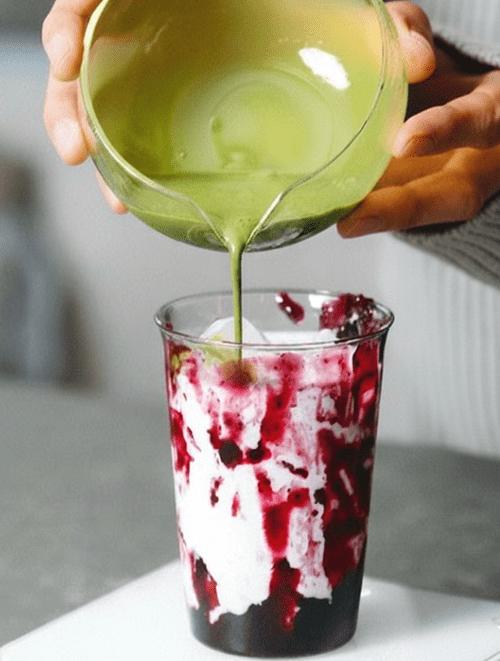
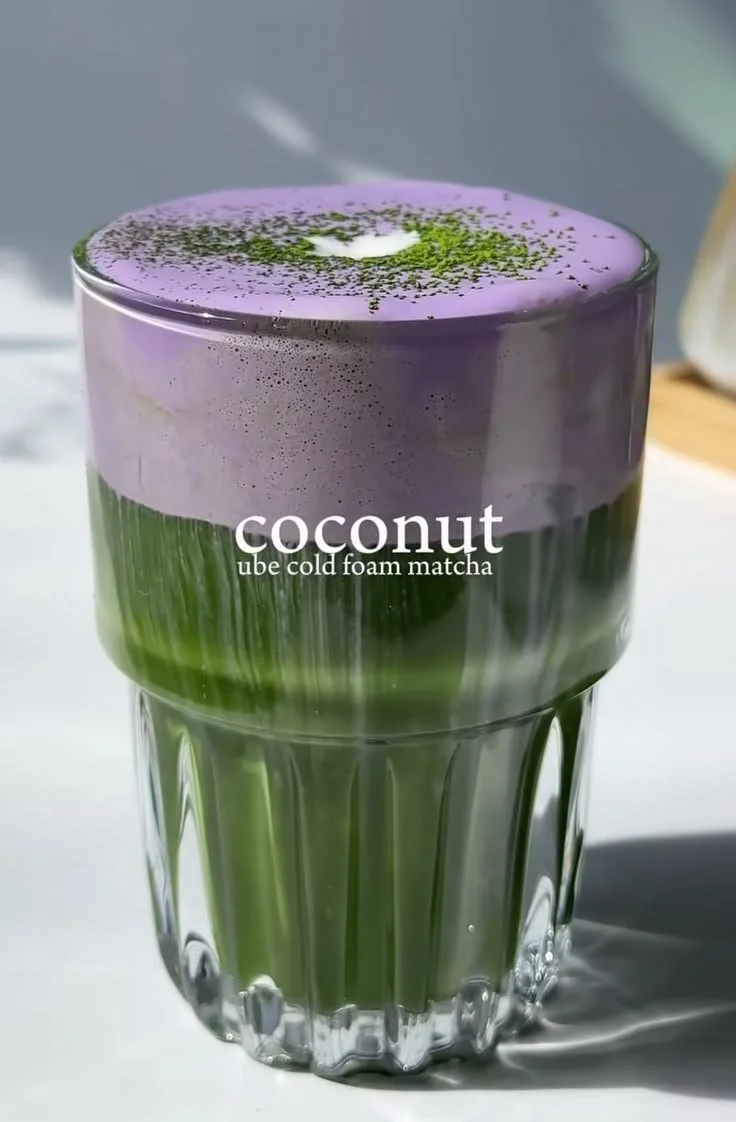
Ube Cold Foam Matcha
Hey, let's reverse the matcha.
Put the matcha at the bottom, foam (icecream), then ice, and syrup on top.
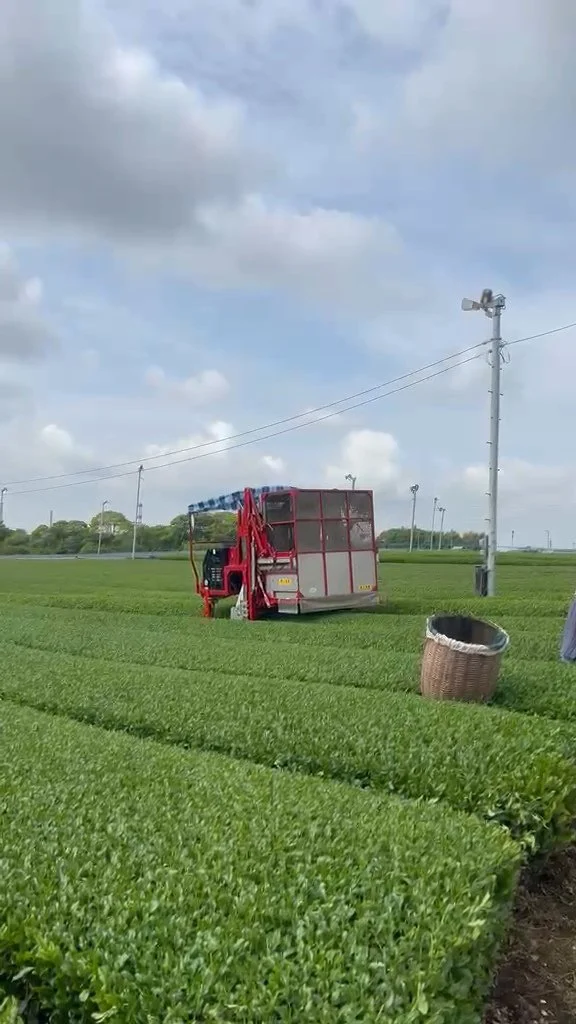
2026 Spring Harvest: Our Partner's Matcha Farm in Japan. Direct from Japan to Toronto
2026 Spring Harvest: Direct from Japan to Toronto
Are you seeking a premium matcha supplier wholesale in Toronto Canada? With over 20 years of professional experience as a tea importer supplying local cafes, we know that exceptional tea requires authentic sourcing. That is why we work directly with farms across Japan’s premier tea regions, bypassing middlemen to bring you unparalleled quality.
We are now accepting pre-orders for the 2026 Spring Harvest: Our Partner's Matcha Farm in Japan. These first-flush leaves are currently being shade-grown to maximize their brilliant green color and deep umami profile.
Because this early-spring yield is highly sought after, we operate on a strict reservation basis. Secure your supply of premium ceremonial grades or our signature Blue Origin culinary matcha today. Pre-order now to guarantee fresh May and June delivery.
Contact us to reserve your wholesale allocation

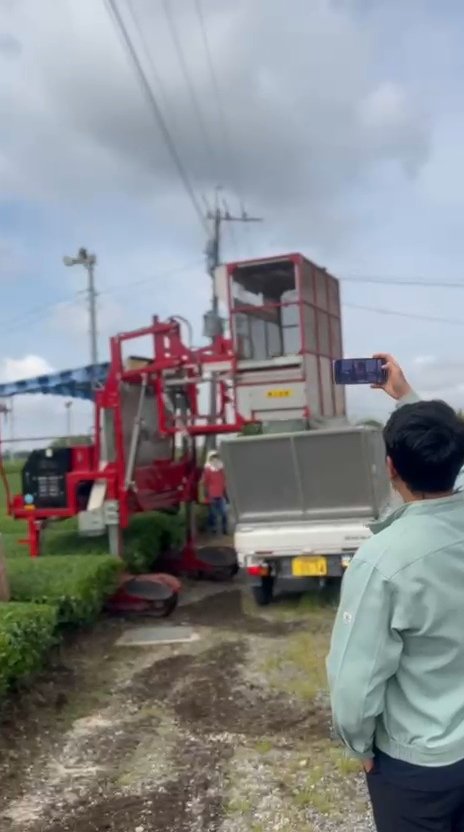
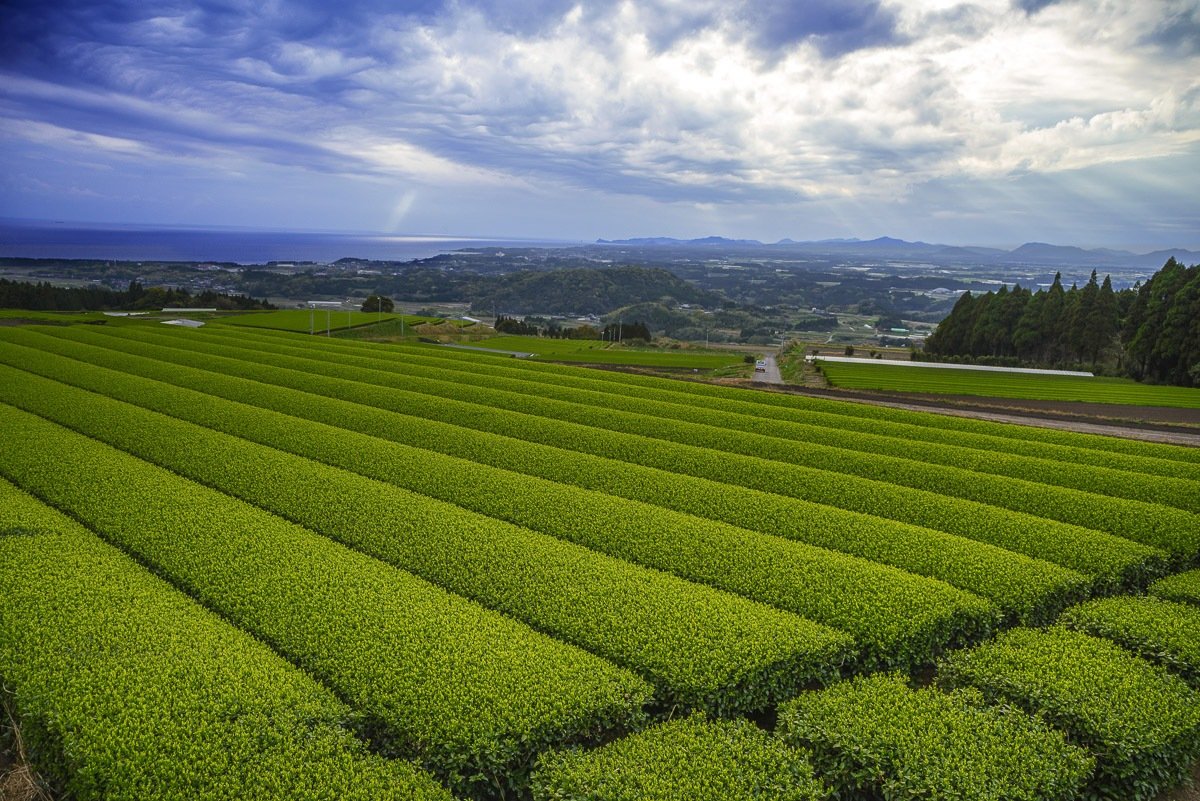
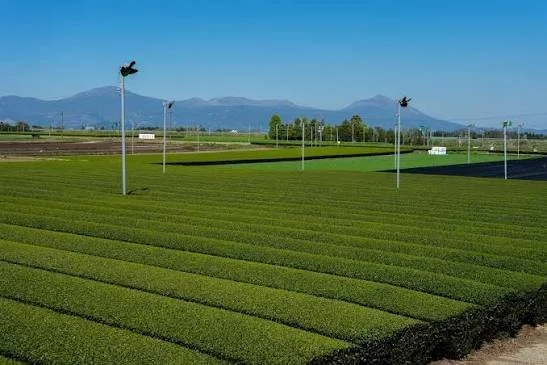
Eco Farming ? How do they manage to do it with no pesticides. Kyushu Single Estate: Award Winning ECO-Farm Land. Interview of the family farm owner:
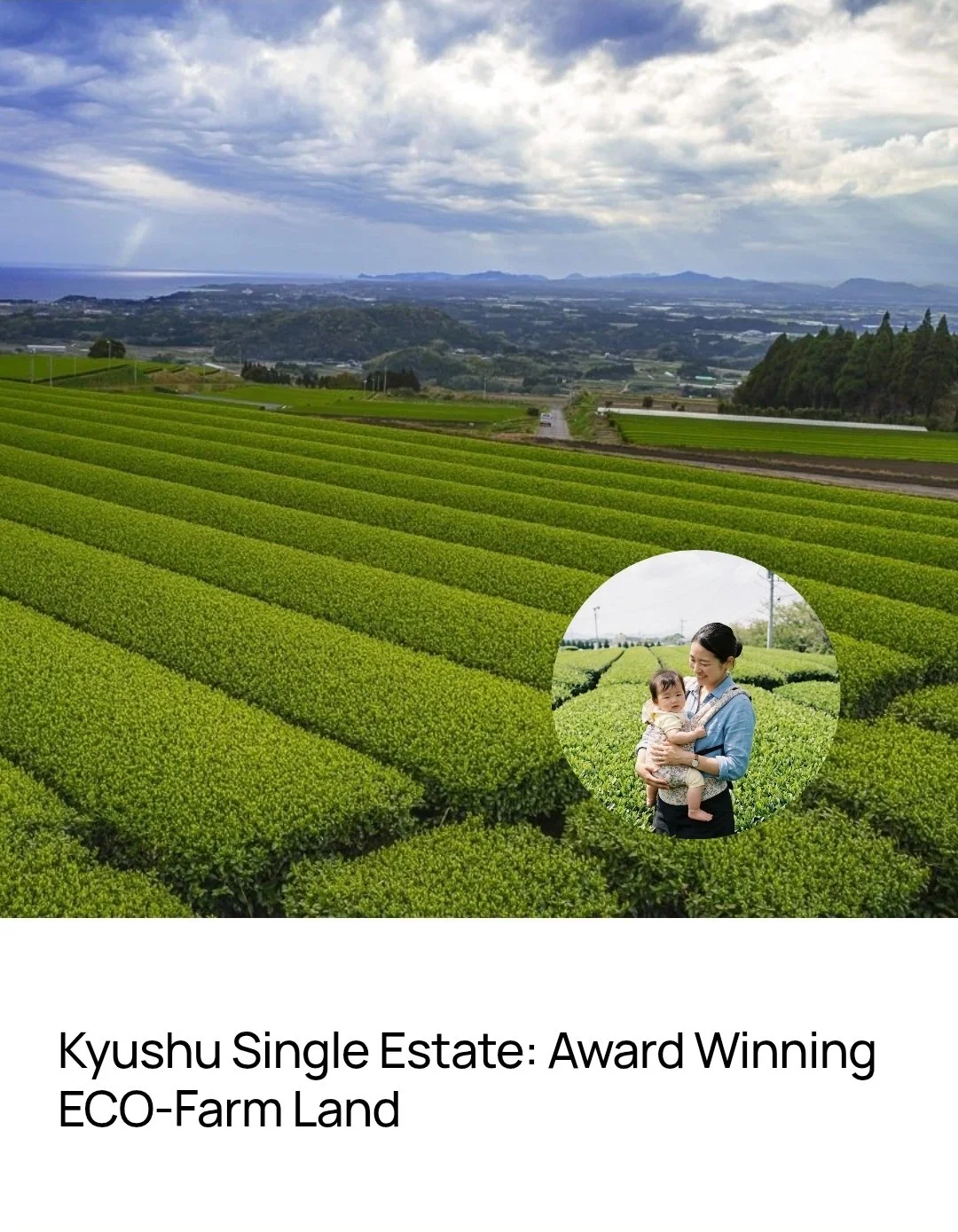
Kyushu Single Estate: Award Winning ECO-Farm Land
Interviewing the family farm owner:
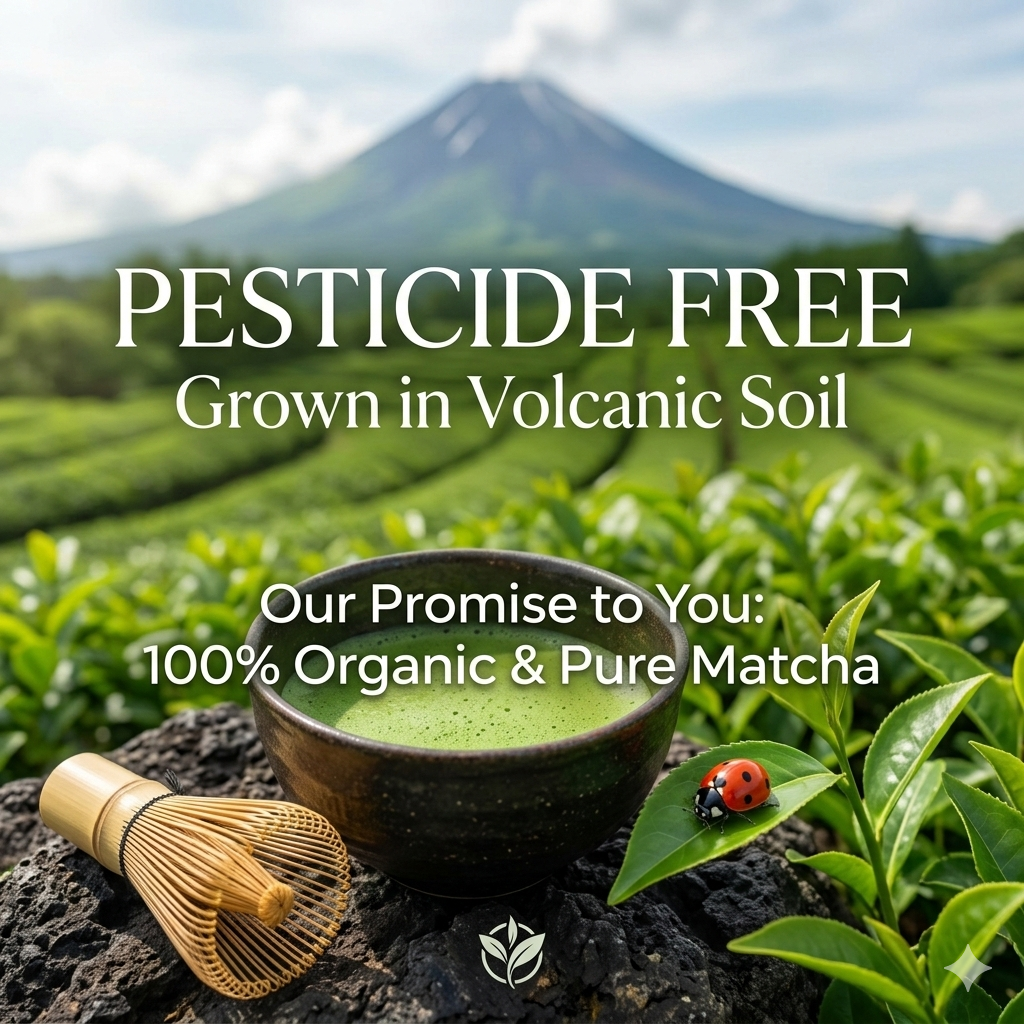
100% Organic & Family-Grown! 🌿 Our tea fields are so pure and safe, the farmers even bring their baby 👶 to work 🚜. Grown in volcanic soil with natural fertilizers, this Eco-Farm relies on cute birds 🐦 to catch bugs 🐛 instead of using harsh pesticides. A beautiful, natural eco-cycle for the perfect cup of tea!
On a 40-hectare estate, the family cultivates tea without a single drop of chemical fertilizer or pesticide. Instead, they harness the blessings of nature alongside a thriving local ecosystem.
"The most important thing in organic farming is soil preparation," the owner explains. "We produce our own soil and EM bokashi for use on our farms."
“To build strong, disease-resistant soil, the farmers blend local by-products such as rice hulls, rice bran, oil cake, fish meal, and bonito broth with EM bacteria, meticulously adjusting the moisture content. After fermenting for six months to a year, this nutrient-dense mixture is spread over the tea fields. This process cultivates healthy soil bacteria, supporting a rich network of earthworms and insects. Wildflowers are encouraged to bloom around the fields, creating a natural habitat where ladybugs and praying mantises thrive by feeding on pests that would otherwise harm the tea plants.” the owner explains what is EM bakashi.
Is more foam an indicator of better quality matcha?
Matcha science 101. 'Saponi'.
Why some matcha has less foam, but some has lots of foam. Is more foams the better quality?
Let's dig into science, something called saponin:
The foam that you see on top of whisked matcha occurs because of a compound called saponin. Within ceremonial-grade matcha, some matchas foam better than others, but that doesn't necessarily mean that the foamier matchas are higher quality; it just comes down to the saponin content of the tea.
The primary goal of heavy shading (which is done for the highest quality matchas, especially those meant for thick tea, or Koicha) is to stop the plant from converting sweet amino acids (L-theanine) into bitter catechins (polyphenols).
Therefore, the foam that you see on top of whisked matcha occurs because of a compound called saponin. A tea with very high saponins and lots of foam might actually taste more astringent.
We can make your matcha foamy and less bitter too.
.
www.myvibrantleaf.com
.
.
#matcha #matchascience #japanesematcha #torontomatcha
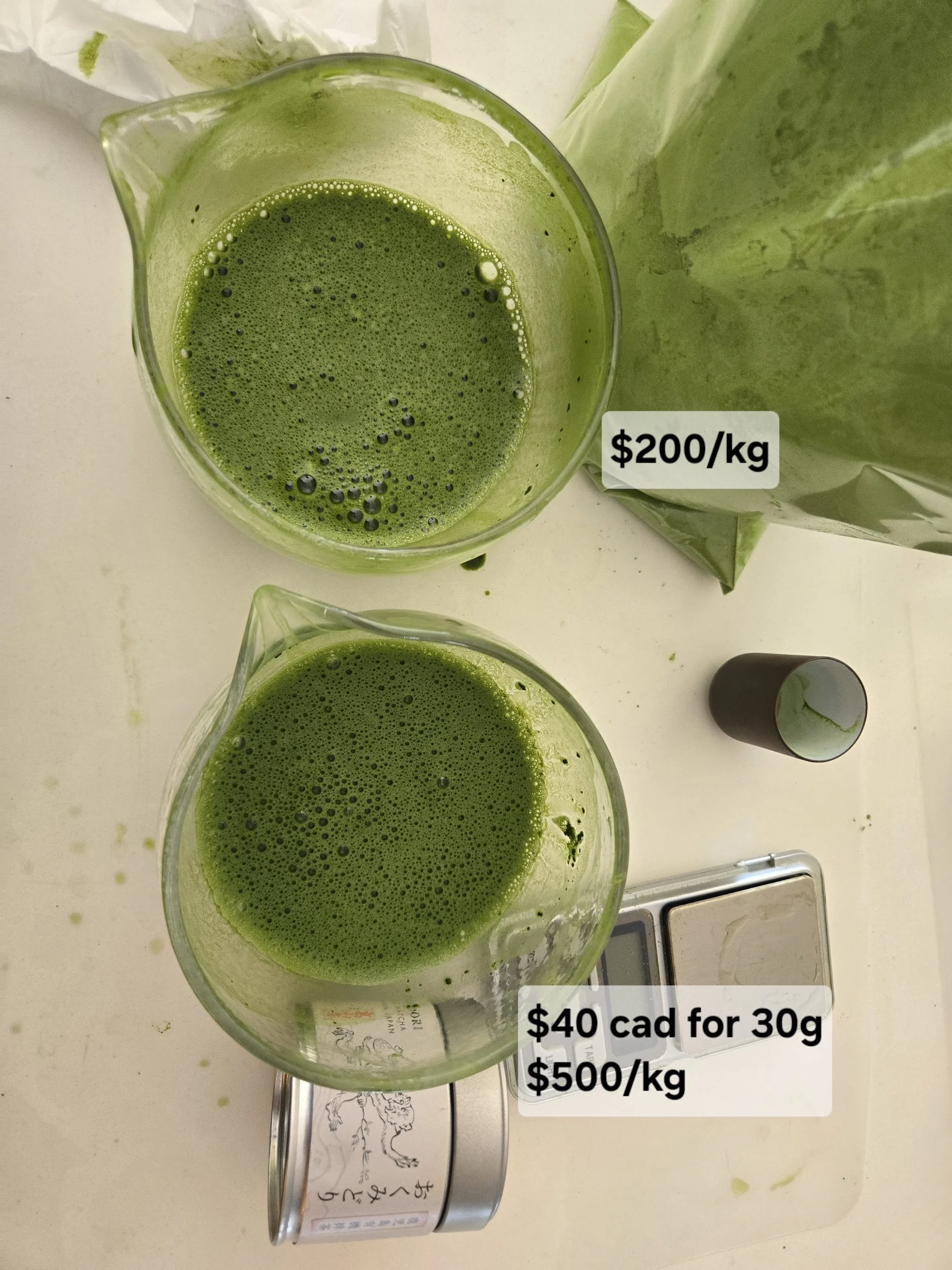
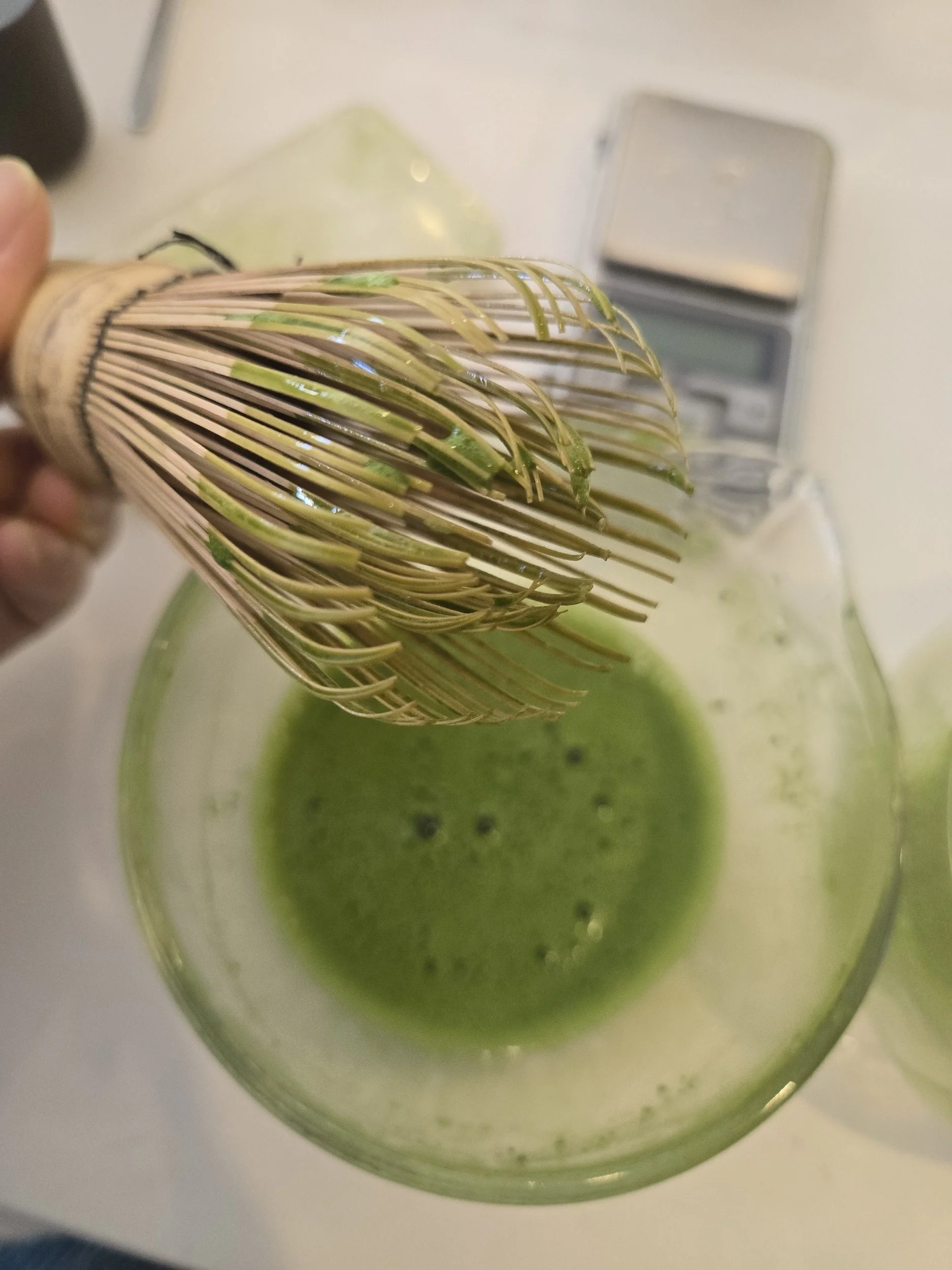
Matcha latte: The "Golden Ratio" for 230ml
The "Golden Ratio" for 230ml
For a standard 8oz cup (roughly 230ml to 240ml), use:
Matcha: 4g to 5g (about 2 to 2.5 teaspoons)
Water (for paste): 30ml
Milk: 200ml
Why This Works
Intensity: 4g to 5g of matcha ensures the grassy, umami notes stand up against the creamy sweetness of the milk.
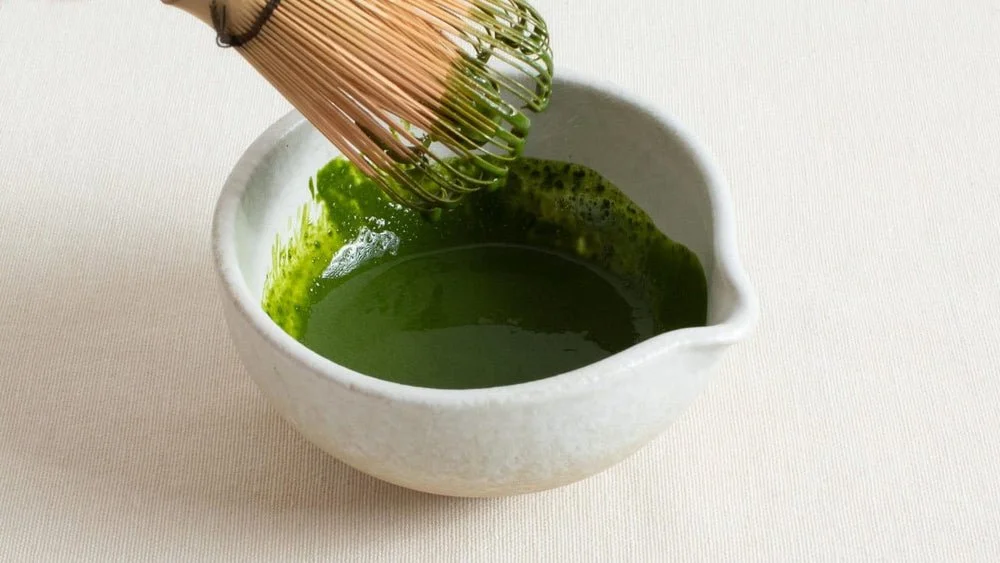
The Paste: Always whisk your matcha with about 30ml of hot water (80°C) first. This removes clumps and creates a "concentrate" before adding the milk.
Milk Space: In a 230ml cup, using 200ml of milk leaves just enough room for the matcha concentrate and a thin layer of foam on top
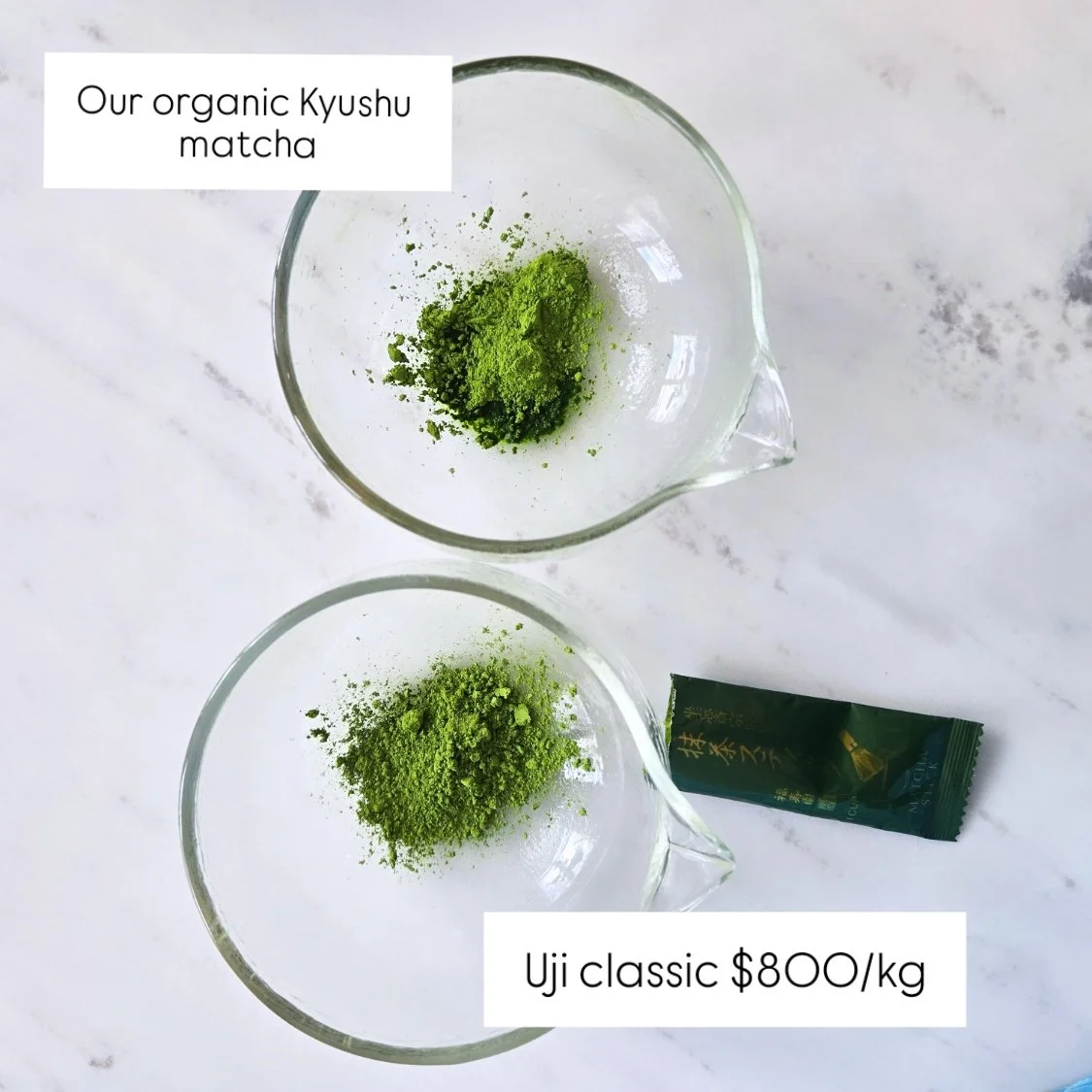
Comparing the Matcha Cultivars
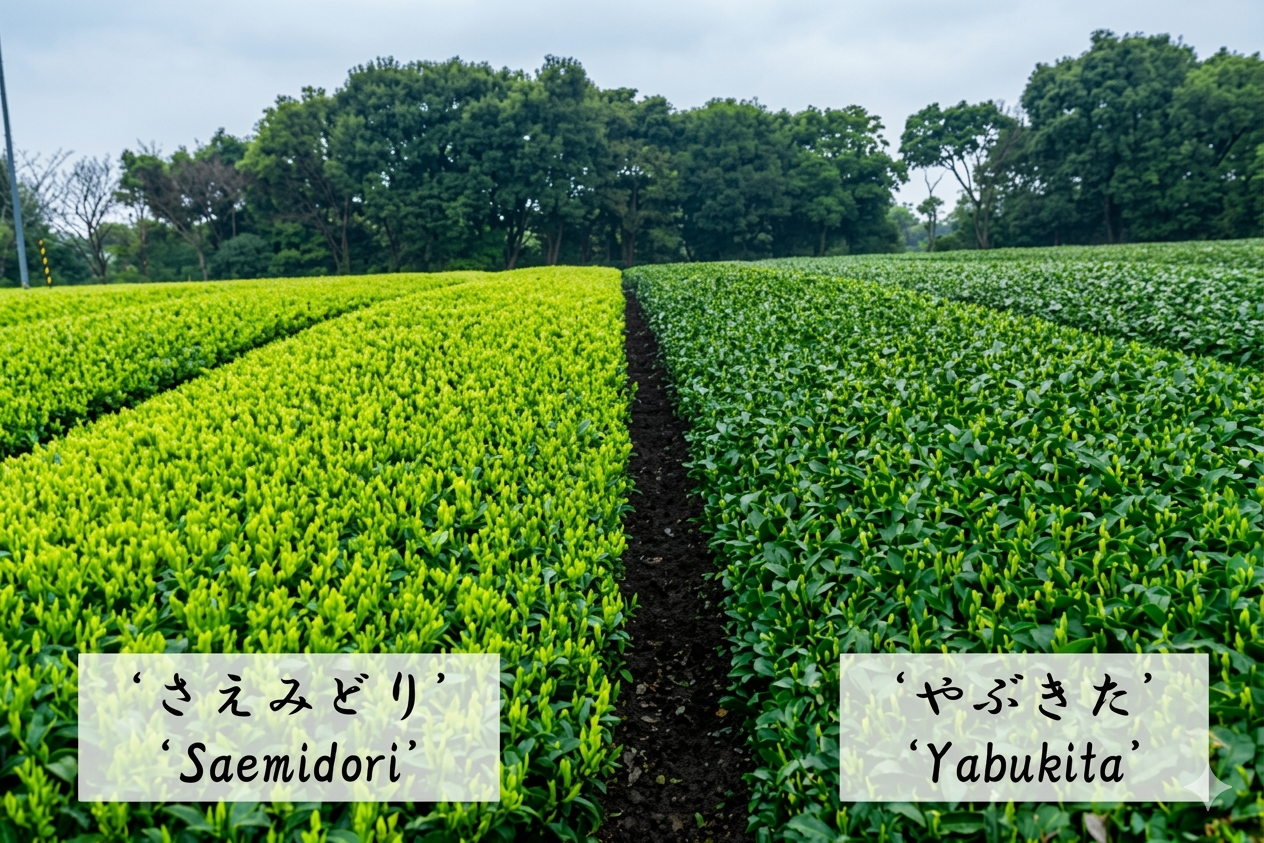
Our Organic Kyushu Volcano Soil Matcha is a single estate Saemidori, which is one of the best cultivar ingridients for ceremonial matcha.
Left~Saemidori: Because it buds very early in the spring, it is highly prized for high-end Shincha (first-flush tea). Its high umami also makes it a favorite for shaded teas like premium Gyokuro and Matcha.
Right~Yabukita (The Reliable Standard): This is a mid-season cultivar (chusei) and is the baseline against which all other Japanese teas are measured for harvest timing. It is incredibly hardy, resistant to frost, and adapts well to different soils, which is why it makes up over 70% of all tea grown in Japan.
.
.
www.myvibrantleaf.com
#matcha
#matchalover
#greentea
#torontotea
#MyVibrantLeaf
The Secret in the Soil: Our Volcanic Terroir . Non Pesticides ~Organic Volcano Soil Matcha
Grown in rare, mineral-rich volcanic soil, our tea plants absorb deep-earth nutrients that make them naturally robust and resilient. This exceptional terroir allows our estate to cultivate vibrant, nutrient-dense matcha entirely without synthetic pesticides, relying instead on the immense natural strength of the plant itself.
The Secret in the Soil: Our Volcanic Terroir
The exceptional purity and vibrant flavor of our award-winning organic matcha begin deep beneath the surface. Sourced from the mineral-rich volcanic highlands of Southern Japan, our tea is cultivated in rare, nutrient-dense volcanic ash soil. This unique terroir doesn't just nourish the plants—it acts as nature's ultimate defense system, allowing us to grow 100% pesticide-free tea of the highest caliber.
Why Volcanic Soil Creates Superior Matcha:
Mineral-Fortified Leaves: Volcanic soil is naturally loaded with deep-earth minerals like silica, iron, and magnesium. As the tea bushes absorb these elements, their cell walls become incredibly strong and resilient. To microscopic pests, these fortified leaves are simply too tough to eat, naturally deterring them without a single drop of synthetic chemicals.
Pristine Root Health: Fungal diseases and root-damaging pests thrive in damp, compacted dirt. Our estate's volcanic soil is highly porous, providing superior drainage and oxygenation. This creates a clean, thriving environment where the tea roots can grow deep and absorb maximum nutrients, while pests are naturally locked out.
Natural Immunity: In the wild, insects are drawn to the chemical distress signals of weak or struggling plants. Because our volcanic terroir provides a perfect, stress-free buffet of nutrients, our tea bushes radiate health. They don't emit the distress signals that attract bugs, relying entirely on their own robust immune systems.
Taste the Earth's Energy
This synergy between the tea plant and the volcanic earth is what gives our matcha its signature profile. By completely avoiding synthetic pesticides, the soil's natural microbiome remains alive and active, translating directly into a cleaner, smoother, and more profound umami in your cup.
Mt. Sakurajima, an active volcano located in the Kagoshima Bay, that is recognized as the symbol of Kagoshima.
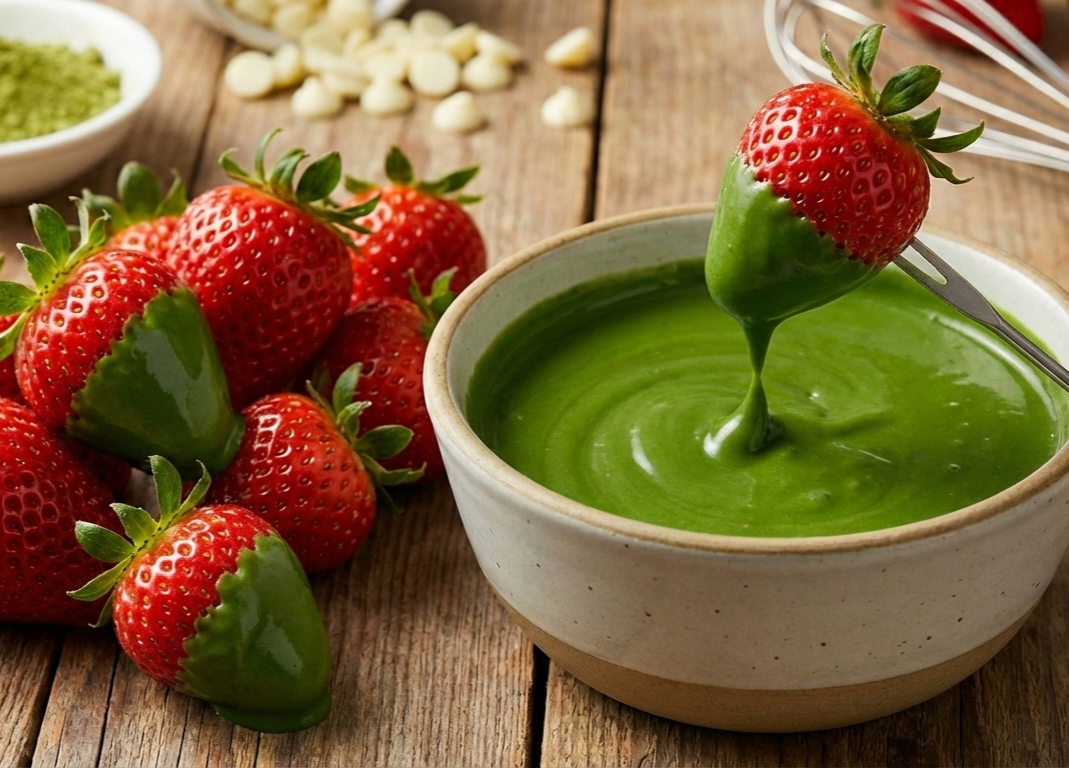
Matcha Dipped Strawberry🍓
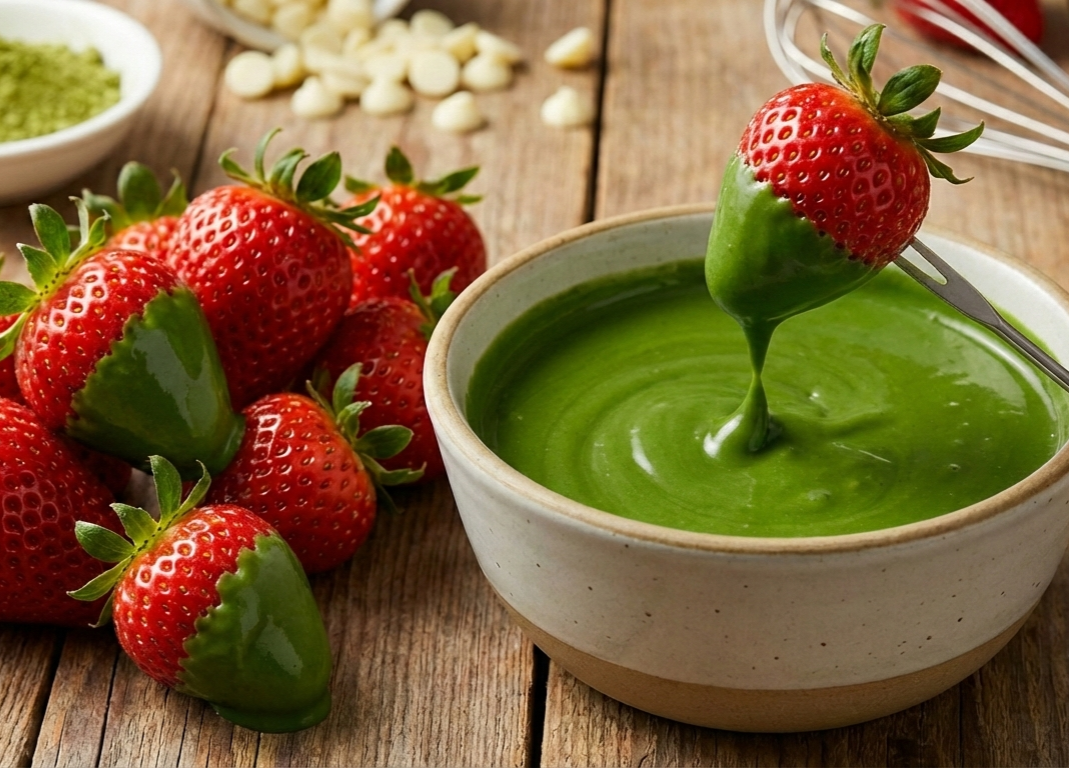
Matcha Dipped Strawberry🍓 with Uji Matcha
Matcha Dipped Strawberry🍓 with Uji Matcha
https://www.myvibrantleaf.com/blogs/uji-matcha-fluffy-pan-cake-cream
White Chocolate Matcha Cream
Melt Chocolate: Combine 50g white chocolate and 2 tbsp heavy cream in a bowl. Microwave in 20-second bursts, stirring until smooth.
Whisk Matcha: Sift 3g to 5g matcha into the melted chocolate. Stir vigorously until no clumps remain and the color is a deep, vibrant green.
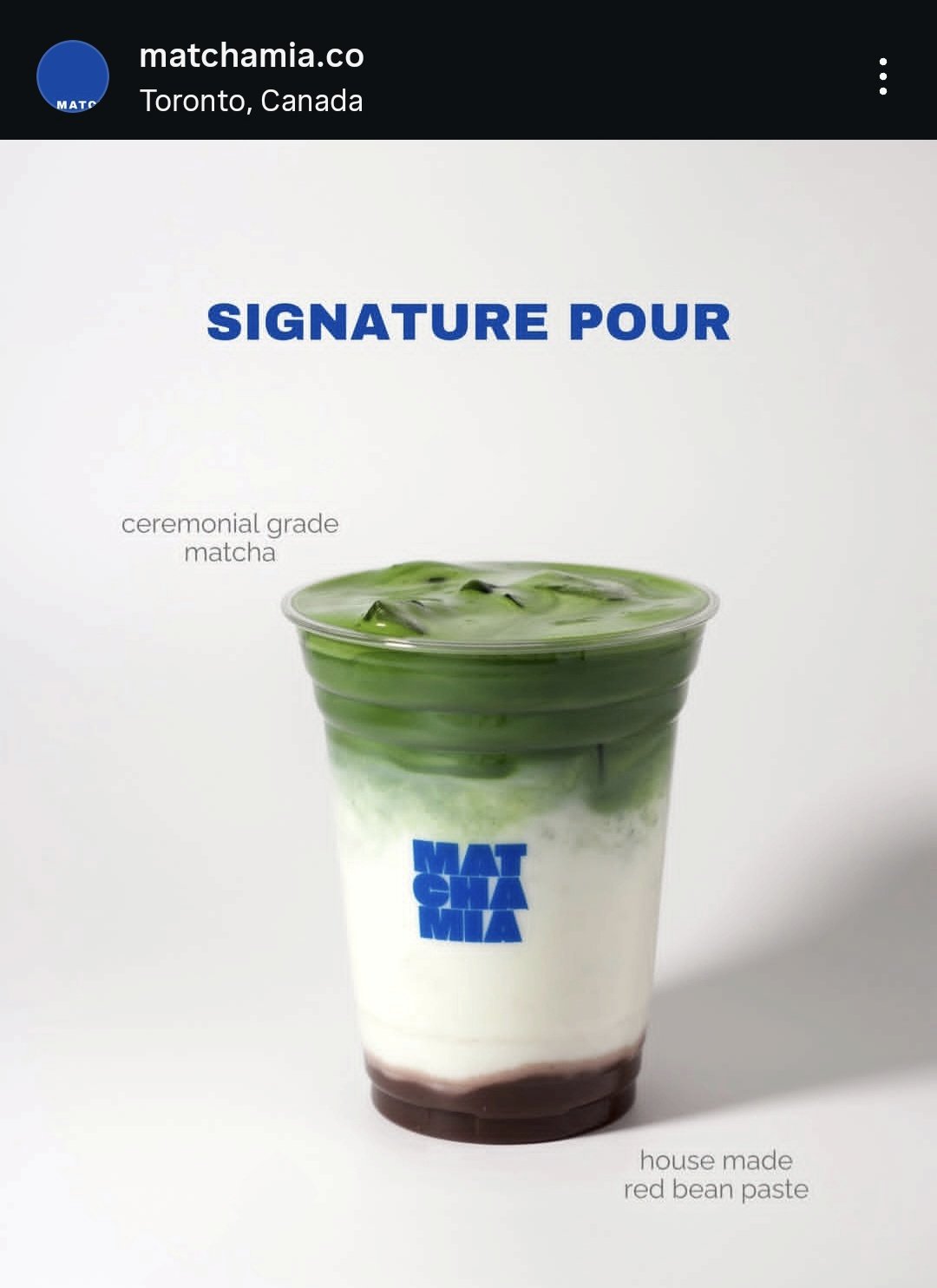
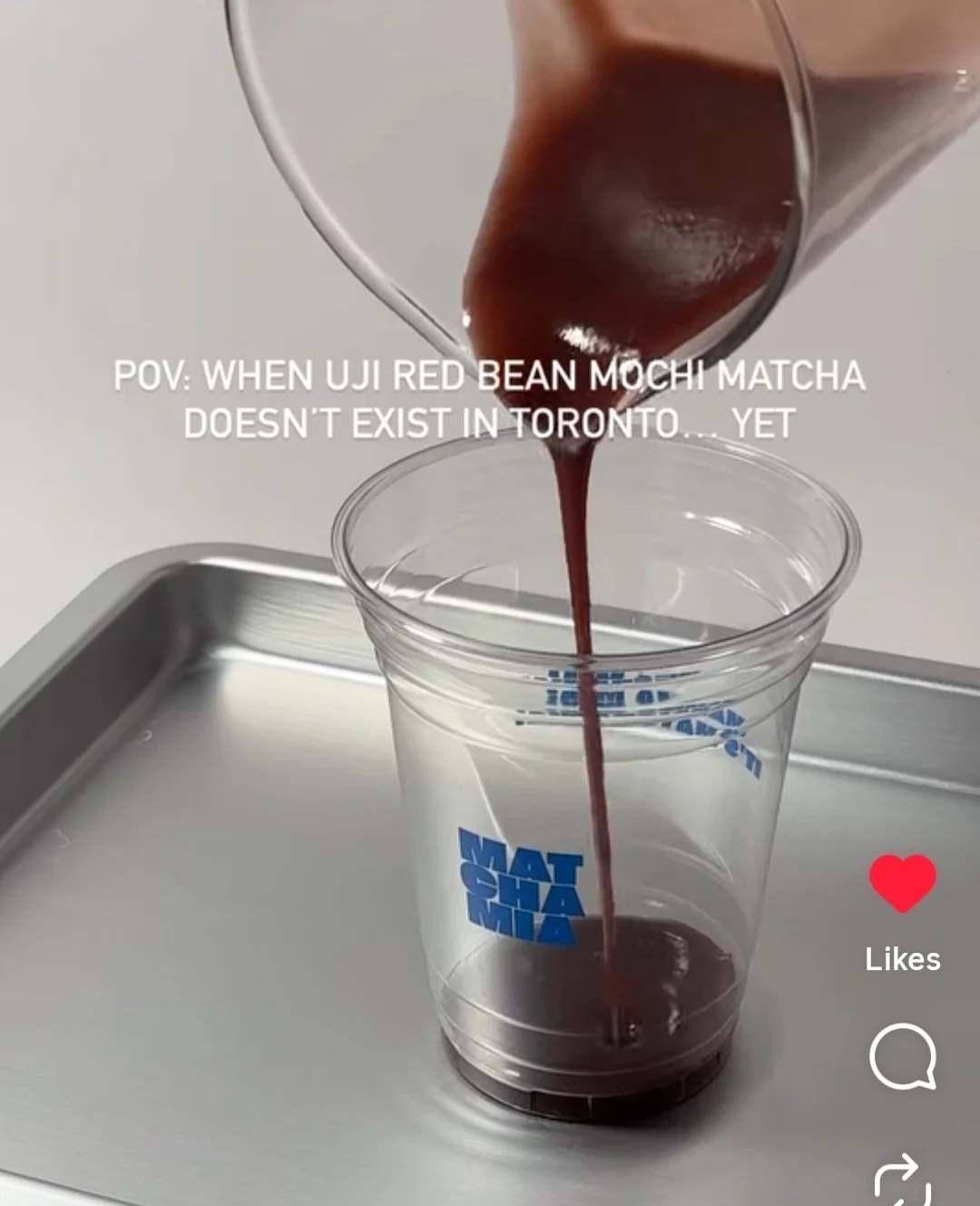
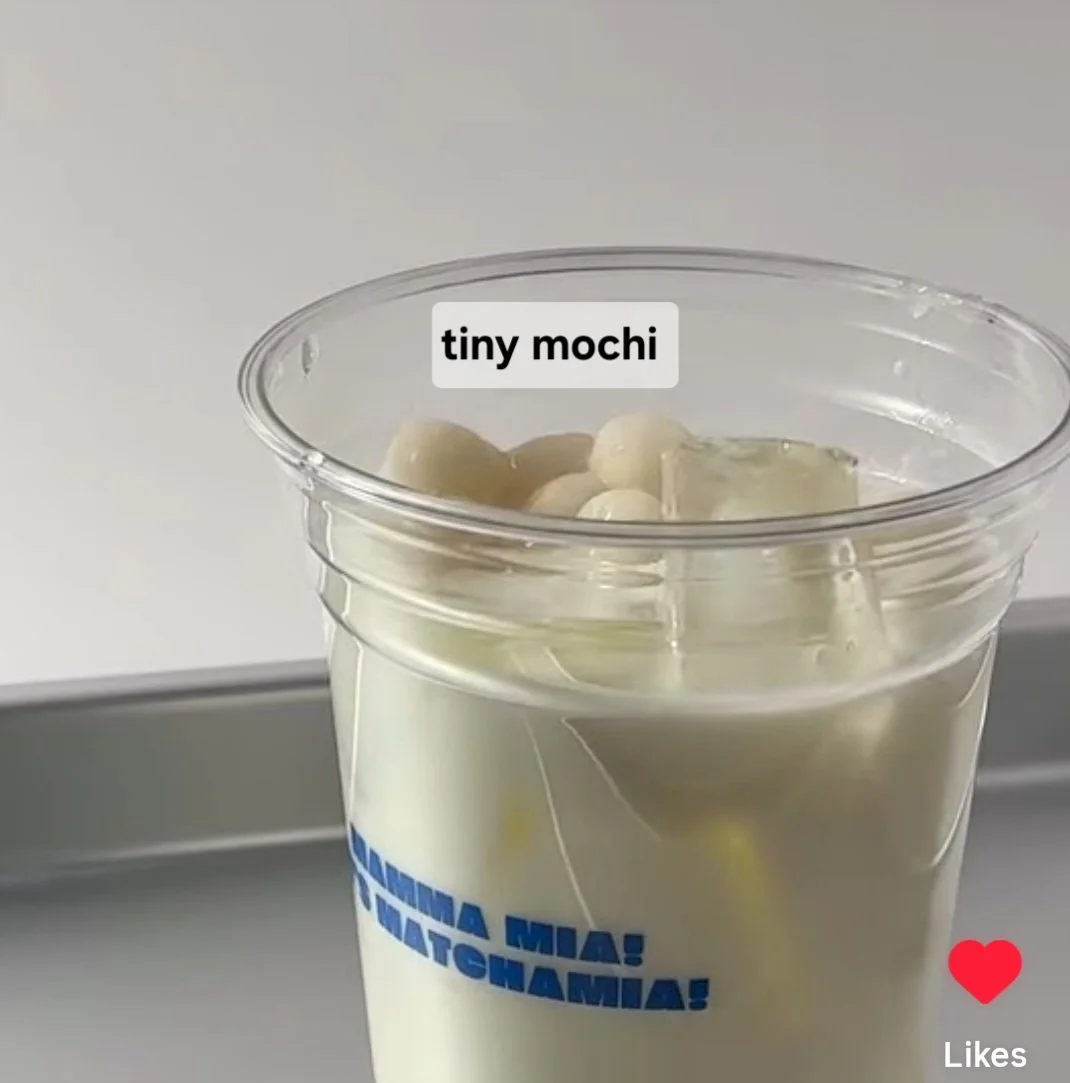
Wow. It's Mochi Red Bean Paste Matcha!
Client's Matcha Drinks, wowohhh:
https://www.instagram.com/p/DT-_Lj3gJEX/?igsh=MW15ZXhuc2oybmR0OA==